

A healthy, straight smile is one of the most valuable assets anyone can have. Modern orthodontics offers several treatment options, but traditional metal braces remain one of the most reliable and effective methods for correcting crooked teeth and bite problems. Despite the popularity of clear aligners and ceramic braces, millions of people continue to choose this proven orthodontic solution because of its durability, affordability, and ability to treat even the most complex dental issues.
Whether you are a teenager beginning orthodontic treatment or an adult looking to improve your smile, understanding how traditional metal braces work can help you make an informed decision. These braces have evolved significantly over the years, becoming smaller, more comfortable, and more efficient than ever before. They are designed to gradually move teeth into proper alignment, improving both appearance and oral health. This guide covers everything you need to know, including their benefits, treatment process, maintenance, costs, and helpful tips for achieving the best results.
What Are Traditional Metal Braces?
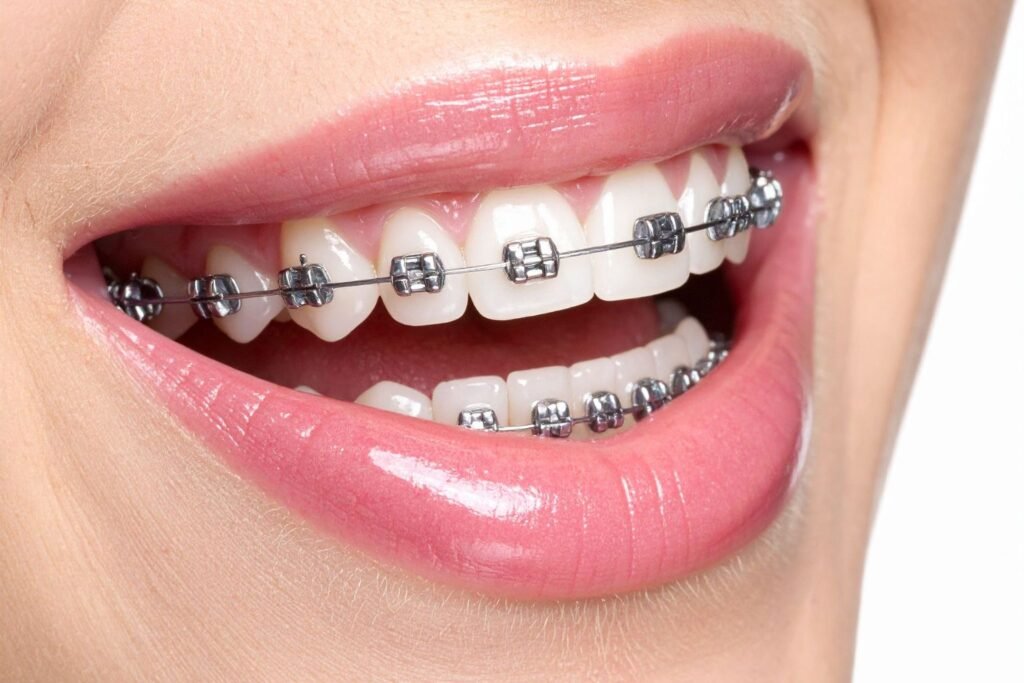
Traditional metal braces are orthodontic appliances made from high-quality stainless steel. They consist of small brackets attached to the front of each tooth and connected by a thin metal archwire. Tiny elastic bands or self-ligating clips secure the wire, allowing controlled pressure to gradually move teeth into their ideal positions.
Orthodontists customize the treatment based on each patient’s dental condition. The braces work continuously by applying gentle force, encouraging the teeth and surrounding bone to adjust over time. Regular adjustment appointments allow the orthodontist to tighten or replace the archwire as teeth begin shifting.
Modern versions are much smaller and smoother than older designs, making them more comfortable while maintaining excellent effectiveness. Because they are strong and durable, they can correct severe crowding, spacing, overbites, underbites, crossbites, and other alignment issues that many alternative treatments may struggle to fix.
Why Traditional Metal Braces Remain Popular
Although many cosmetic orthodontic options are available today, traditional metal braces continue to be a preferred choice for orthodontists worldwide. Their proven success over decades makes them one of the most trusted treatments for correcting dental alignment.
One major reason for their popularity is their ability to handle complicated orthodontic cases. They provide precise control over tooth movement, allowing orthodontists to achieve predictable and long-lasting results. Unlike removable aligners, metal braces remain fixed to the teeth, ensuring continuous treatment without relying on patient compliance.
Additionally, they are generally more affordable than ceramic braces or clear aligners, making them accessible for many families. Their durability also means fewer concerns about breakage during everyday activities. With colorful elastic bands available, younger patients can even personalize their braces with different colors at each appointment, making the experience more enjoyable.
How Traditional Metal Braces Work
The treatment process begins with a detailed orthodontic examination. The orthodontist takes digital scans, photographs, and X-rays to evaluate tooth alignment, jaw position, and overall oral health before creating a personalized treatment plan.
Once the braces are placed, brackets are bonded to each tooth using a special dental adhesive. A metal archwire is then threaded through the brackets and secured with elastic ligatures or clips. This wire creates gentle pressure that slowly shifts teeth toward their desired positions.
Throughout treatment, patients visit their orthodontist approximately every four to eight weeks for adjustments. During these appointments, wires may be changed, tightened, or repositioned to continue guiding tooth movement. The gradual process allows surrounding bone tissue to remodel naturally, ensuring stable alignment with minimal discomfort. Depending on the complexity of the case, treatment may last anywhere from 12 months to over two years.
Benefits of Traditional Metal Braces
There are numerous reasons why orthodontists frequently recommend traditional metal braces for both children and adults.
Some of the biggest advantages include:
- Highly effective for mild to severe alignment issues
- Durable stainless-steel construction
- Lower cost than many alternative treatments
- Continuous treatment without relying on patient discipline
- Suitable for children, teenagers, and adults
- Precise control over tooth movement
- Improved bite function and chewing ability
- Long-lasting treatment results
- Multiple colorful elastic band options
- Widely available through orthodontic specialists
These benefits explain why metal braces remain the gold standard for comprehensive orthodontic care.
Who Is a Good Candidate?
Almost anyone with orthodontic concerns may benefit from traditional metal braces. They are particularly suitable for patients experiencing moderate to severe alignment problems that require extensive tooth movement.
Candidates commonly include individuals with:
- Crowded teeth
- Gaps between teeth
- Overbite
- Underbite
- Crossbite
- Open bite
- Rotated teeth
- Jaw alignment problems
Children often begin orthodontic treatment between ages 10 and 14, but adults are increasingly choosing braces as well. Healthy gums and teeth are essential before starting treatment, so any cavities or gum disease should be addressed first.
The Treatment Process Step by Step
Receiving braces involves several carefully planned stages designed to ensure successful results.
Initial Consultation
The orthodontist performs a complete examination and discusses treatment goals.
Diagnostic Records
Digital scans, X-rays, and photographs are collected to create an individualized treatment plan.
Placement of Braces
Brackets are bonded to each tooth, and the archwire is secured.
Regular Adjustments
Appointments every few weeks help guide continuous tooth movement.
Removal
Once treatment goals are achieved, the braces are safely removed.
Retainers
Patients wear retainers to maintain their newly aligned smile and prevent teeth from shifting back.
Each stage plays an important role in achieving lasting orthodontic success.
Caring for Traditional Metal Braces
Proper oral hygiene is critical during orthodontic treatment. Food particles can easily become trapped around brackets and wires, increasing the risk of cavities and gum disease if not cleaned properly.
Patients should brush after every meal using a soft-bristled toothbrush and fluoride toothpaste. Interdental brushes and floss threaders make cleaning around brackets much easier. Fluoride mouthwash may provide additional protection against tooth decay.
Avoiding sticky candies, chewing gum, popcorn kernels, hard nuts, and ice helps prevent damage to brackets and wires. Eating softer foods immediately after adjustments can also reduce temporary soreness.
Maintaining excellent oral hygiene not only protects teeth but also helps ensure beautiful results when the braces are finally removed.
Foods to Eat and Foods to Avoid
Choosing the right foods makes orthodontic treatment easier and protects braces from unnecessary damage.
Recommended Foods
- Yogurt
- Pasta
- Rice
- Mashed potatoes
- Soft fruits
- Scrambled eggs
- Smoothies
- Soup
- Oatmeal
- Soft vegetables
Foods to Avoid
- Hard candy
- Caramel
- Popcorn
- Ice cubes
- Whole apples
- Corn on the cob
- Sticky chewing gum
- Hard nuts
- Crunchy chips
- Tough meats
Following these dietary recommendations can significantly reduce emergency orthodontic visits.
Cost of Traditional Metal Braces
The total cost varies depending on several important factors, including treatment complexity, location, orthodontist experience, and treatment duration.
Factors affecting cost include:
- Severity of alignment issues
- Length of treatment
- Follow-up appointments
- Retainers after treatment
- Insurance coverage
- Geographic location
Many orthodontic clinics also offer monthly payment plans, making treatment more affordable for families.
Possible Challenges During Treatment
Although traditional metal braces are highly effective, patients should expect a brief adjustment period after placement and tightening appointments.
Common temporary issues include mild soreness, irritation of the cheeks, difficulty chewing, and occasional broken brackets if hard foods are eaten. Orthodontic wax helps reduce irritation, while over-the-counter pain relievers may ease temporary discomfort.
Most patients quickly adapt within a few days and find that the benefits of treatment far outweigh these short-term inconveniences.
Tips for Successful Treatment
Patients can achieve excellent orthodontic outcomes by following simple daily habits.
Helpful tips include:
- Brush after every meal.
- Floss carefully every day.
- Attend every adjustment appointment.
- Wear retainers exactly as instructed.
- Avoid damaging foods.
- Report broken brackets immediately.
- Maintain regular dental cleanings.
- Follow all orthodontist recommendations.
Consistency throughout treatment leads to healthier teeth and more predictable results.
Traditional Metal Braces vs Other Options
Several orthodontic treatments are available today, but each offers unique advantages.
| Feature | Traditional Metal Braces | Ceramic Braces | Clear Aligners |
|---|---|---|---|
| Visibility | Most noticeable | Less noticeable | Nearly invisible |
| Durability | Excellent | Moderate | Good |
| Complex Cases | Excellent | Excellent | Limited in some cases |
| Cost | Lower | Higher | Often highest |
| Removable | No | No | Yes |
| Patient Compliance | Minimal | Minimal | High |
This comparison helps patients understand why many orthodontists continue recommending metal braces for complex corrections.
Conclusion
Choosing orthodontic treatment is an investment in both oral health and self-confidence. Traditional metal braces have remained one of the most trusted solutions because they consistently deliver reliable, predictable, and long-lasting results. Modern designs are smaller, more comfortable, and more efficient than ever before, making them an excellent choice for patients of all ages.
From correcting severe bite problems to improving everyday chewing and speech, these braces offer numerous advantages that continue to stand the test of time. By maintaining proper oral hygiene, attending regular orthodontic appointments, and following professional advice, patients can enjoy a smoother treatment experience and a healthier smile for years to come.
If you are considering orthodontic care, discussing your options with a qualified orthodontist can help determine whether traditional metal braces are the right solution for your individual dental needs. With patience and consistent care, they can transform your smile into one that is healthy, functional, and full of confidence.
Read More:-Metal Braces: Benefits, Cost, Procedure & Complete Care Guide