

A healthy smile plays a significant role in confidence, oral health, and overall well-being. When teeth are crowded, crooked, or improperly aligned, orthodontic treatment becomes essential. Among the many treatment options available today, metal braces remain one of the most effective and reliable solutions. They have been used successfully for decades to correct mild, moderate, and severe alignment issues in both teenagers and adults.
Modern metal braces are smaller, more comfortable, and more efficient than older designs. They provide precise tooth movement, making them suitable for complex orthodontic cases that clear aligners may not easily address. Whether someone wants to improve their appearance, fix bite problems, or prevent future dental complications, orthodontists often recommend traditional braces because of their predictable results.
This comprehensive guide explains everything about metal braces, including how they work, who needs them, their advantages, treatment process, maintenance tips, possible discomfort, costs, and aftercare. By understanding every stage of treatment, patients can make informed decisions and prepare for a healthier, straighter smile that lasts for years.
What Are Metal Braces?
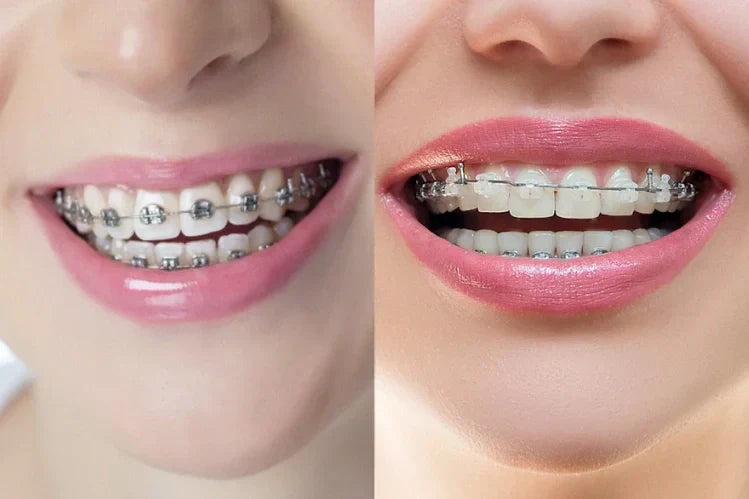
Metal braces are orthodontic appliances designed to gradually move teeth into their ideal positions. They consist of small stainless-steel brackets attached to the front of each tooth. These brackets are connected using a thin metal archwire, which applies continuous pressure to reposition teeth over time. Small elastic bands or ligatures hold the wire securely in place.
Modern braces have evolved significantly from older bulky versions. Today’s materials are lighter, smoother, and much more comfortable while delivering excellent treatment results. Orthodontists carefully adjust the archwire during follow-up appointments to guide teeth toward proper alignment.
The treatment addresses various dental concerns, including crooked teeth, overcrowding, spacing issues, overbites, underbites, crossbites, and open bites. Since orthodontic treatment is customized for every patient, the duration and complexity vary depending on the severity of the alignment problem.
Unlike removable aligners, braces remain fixed throughout treatment, ensuring consistent tooth movement without relying on patient compliance. This makes them particularly effective for younger patients or complex orthodontic corrections where precision is critical.
Who Needs Metal Braces?
Many people assume braces are only for teenagers, but orthodontic treatment benefits children, adolescents, and adults alike. Anyone experiencing alignment or bite issues may be a suitable candidate after evaluation by an orthodontist.
Common conditions treated include:
- Crooked teeth
- Crowded teeth
- Gaps between teeth
- Overbite
- Underbite
- Crossbite
- Open bite
- Jaw alignment problems
- Difficulty chewing
- Speech issues caused by tooth positioning
Early orthodontic evaluations can identify developing problems before they become severe. Adults are also increasingly choosing metal braces because healthy teeth can be moved at almost any age. Improved appearance, easier cleaning, better chewing, and enhanced oral health are among the many reasons people seek orthodontic treatment.
A personalized examination, dental X-rays, and impressions help determine whether braces are the most suitable treatment option.
How Metal Braces Work
Orthodontic treatment follows a carefully planned biological process. Once brackets are bonded to the teeth, an archwire connects them. The wire exerts gentle, continuous pressure that stimulates the surrounding bone to remodel. As the bone changes, teeth gradually move into improved positions.
Treatment usually progresses through several stages. Initially, flexible wires begin straightening crooked teeth. As alignment improves, stronger wires help rotate teeth, close spaces, and correct bite relationships. Small elastics may also be prescribed to improve jaw positioning.
Patients typically visit the orthodontist every four to eight weeks for adjustments. During these appointments, the orthodontist replaces wires, changes elastic bands, or makes additional modifications to keep treatment progressing efficiently.
Because teeth move slowly and safely, the process minimizes damage while creating stable, long-lasting results. Following orthodontist instructions significantly improves treatment success.
Benefits of Metal Braces
One reason metal braces continue to be widely recommended is their proven effectiveness across nearly every orthodontic condition. They offer numerous advantages compared to other treatment methods.
Major benefits include:
- Highly effective for complex cases
- Precise tooth movement
- Durable stainless-steel construction
- Suitable for children and adults
- Lower cost than many alternative treatments
- No risk of forgetting to wear them
- Faster correction for certain bite problems
- Reliable long-term results
- Smaller and more comfortable than older braces
- Wide availability among orthodontists
Although newer cosmetic options exist, traditional braces remain the gold standard for correcting severe misalignment. Their fixed design ensures treatment progresses continuously, reducing dependence on patient discipline.
Many patients also appreciate choosing colorful elastic bands to personalize their appearance during treatment.
Step-by-Step Treatment Process
The orthodontic journey begins with a comprehensive consultation. During this appointment, the orthodontist evaluates oral health, reviews medical history, takes photographs, X-rays, and digital scans, then creates a customized treatment plan.
The bonding appointment usually lasts one to two hours. Teeth are cleaned thoroughly before brackets are attached using special dental adhesive. The archwire is inserted and secured with elastic bands.
Over the following months, regular adjustment appointments gradually move teeth into their desired positions. Mild soreness after each adjustment is common but temporary.
Treatment duration generally ranges between 12 and 30 months depending on the complexity of the case, patient age, and cooperation with orthodontic instructions.
Once alignment is complete, brackets are removed, teeth are polished, and retainers are provided to maintain the new tooth positions.
Caring for Metal Braces
Proper oral hygiene becomes even more important during orthodontic treatment. Food particles can easily collect around brackets and wires, increasing the risk of cavities and gum disease if cleaning is neglected.
Daily care recommendations include:
- Brush after every meal
- Use a soft-bristled toothbrush
- Clean around every bracket carefully
- Floss using orthodontic floss threaders
- Rinse with fluoride mouthwash
- Avoid sticky candies
- Limit hard foods
- Attend scheduled orthodontic appointments
- Wear prescribed elastics consistently
- Report broken brackets immediately
Excellent oral hygiene helps prevent staining, tooth decay, and gum inflammation while ensuring successful orthodontic treatment.
Foods to Eat and Foods to Avoid
Dietary adjustments help protect braces from unnecessary damage. During the first few days after adjustments, soft foods reduce discomfort while preventing excessive pressure on sensitive teeth.
Recommended foods include mashed potatoes, yogurt, pasta, soup, rice, eggs, smoothies, bananas, cooked vegetables, oatmeal, soft fruits, fish, and soft bread.
Foods to avoid include hard candies, popcorn kernels, chewing gum, caramel, ice cubes, whole apples, hard nuts, crunchy chips, sticky toffees, and very hard crusts. These foods may loosen brackets or bend wires, delaying treatment progress.
Cutting fruits and vegetables into smaller pieces also reduces unnecessary strain on braces.
Possible Side Effects During Treatment
Most patients experience only mild temporary discomfort after braces are placed or adjusted. Pressure indicates that teeth are responding to orthodontic forces and usually disappears within a few days.
Some common temporary issues include:
- Mild soreness
- Lip irritation
- Cheek irritation
- Temporary speech adjustment
- Difficulty chewing initially
- Food getting trapped
- Minor mouth ulcers
Orthodontic wax can reduce irritation caused by brackets rubbing against soft tissues. Warm saltwater rinses may also soothe minor mouth soreness.
If severe pain, broken brackets, or loose wires occur, patients should contact their orthodontist promptly.
Cost Factors of Metal Braces
The total cost varies depending on several important factors. Every orthodontic case requires individualized treatment planning, making exact pricing different for each patient.
Factors affecting cost include:
- Treatment complexity
- Duration of treatment
- Geographic location
- Orthodontist’s experience
- Diagnostic imaging
- Follow-up appointments
- Retainers after treatment
- Insurance coverage
Many dental practices offer flexible payment plans, making orthodontic care more affordable for families. During consultation, patients receive a personalized estimate outlining all expected expenses.
Life After Braces
Completing orthodontic treatment represents only one step toward maintaining a beautiful smile. Teeth naturally attempt to shift back toward their previous positions, making retainers an essential part of long-term success.
Patients usually receive removable or fixed retainers immediately after braces are removed. Wearing retainers exactly as instructed prevents unwanted tooth movement and preserves treatment results.
Regular dental checkups, professional cleanings, excellent oral hygiene, and healthy eating habits continue supporting strong teeth and gums after orthodontic treatment has ended.
Most patients notice improved confidence, easier brushing, better chewing efficiency, and enhanced smile aesthetics after completing treatment.
Frequently Asked Questions
Are metal braces painful?
Most patients experience mild soreness for several days after placement or adjustments. The discomfort is temporary and manageable.
How long does treatment usually take?
Treatment generally lasts between 12 and 30 months depending on the severity of tooth alignment problems.
Can adults wear braces?
Yes. Adults frequently choose orthodontic treatment to improve their smile and oral health.
Do braces affect speech?
Some people notice minor speech changes during the first few days, but normal speech usually returns quickly.
Will I need a retainer?
Yes. Retainers help maintain your new smile and prevent teeth from shifting after treatment.
Conclusion
Orthodontic treatment has transformed millions of smiles worldwide, and metal braces continue to be one of the most dependable solutions available. Their ability to treat simple and complex alignment problems makes them a trusted recommendation from orthodontists across the world. While treatment requires patience, proper care, and regular appointments, the long-term benefits greatly outweigh the temporary inconvenience.
A straighter smile not only improves appearance but also supports better oral hygiene, healthier gums, improved chewing, and increased self-confidence. By following professional advice, maintaining excellent dental hygiene, and wearing retainers after treatment, patients can enjoy lasting results for many years. For individuals seeking a proven orthodontic solution, metal braces remain an effective, affordable, and reliable investment in lifelong oral health.
Read More:-Lingual Braces: Complete Guide to Hidden Orthodontic Treatment