Midline Dental Care: Your Complete Guide to Healthy Teeth and a Confident Smile

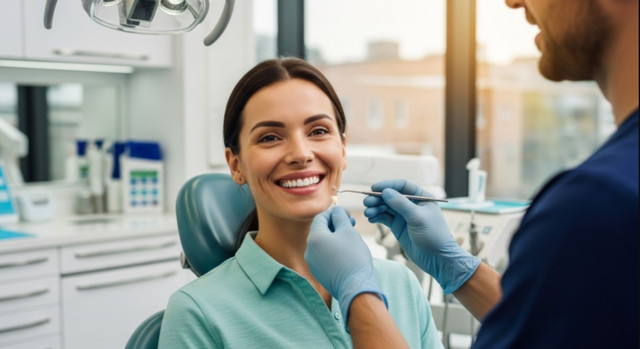
Maintaining excellent oral health is one of the most important aspects of overall well-being. Healthy teeth and gums not only improve appearance but also contribute to better digestion, speech, and self-confidence. In today’s fast-paced world, individuals and families seek reliable dental services that focus on prevention, treatment, and long-term oral wellness. This is where Midline Dental Care becomes a valuable concept for patients who prioritize comprehensive dental health.
From routine cleanings and preventive care to advanced cosmetic and restorative procedures, modern dental practices provide a wide range of services designed to meet the unique needs of every patient. Understanding the importance of professional dental care can help individuals make informed decisions about maintaining their smiles for years to come.
This guide explores everything you need to know about Midline Dental Care, including its importance, common treatments, preventive strategies, benefits, and tips for choosing the right dental services.
Understanding Midline Dental Care
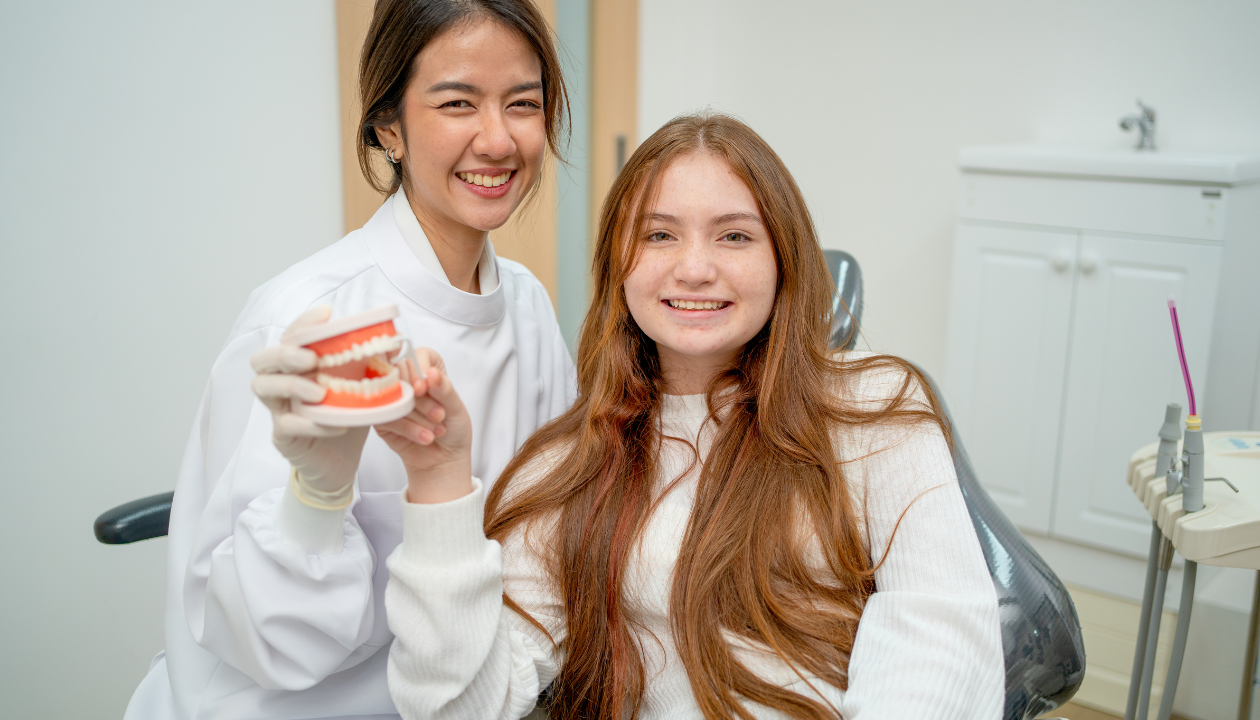
Midline Dental Care refers to a patient-centered approach that focuses on maintaining optimal oral health through preventive, restorative, and cosmetic dentistry. Rather than addressing dental problems only after they occur, this approach emphasizes early detection, regular checkups, and personalized treatment plans.
Modern dental care combines advanced technology with professional expertise to provide effective solutions for various oral health concerns. Whether someone needs a simple cleaning or a complex restorative procedure, comprehensive dental care ensures that every aspect of oral health is addressed.
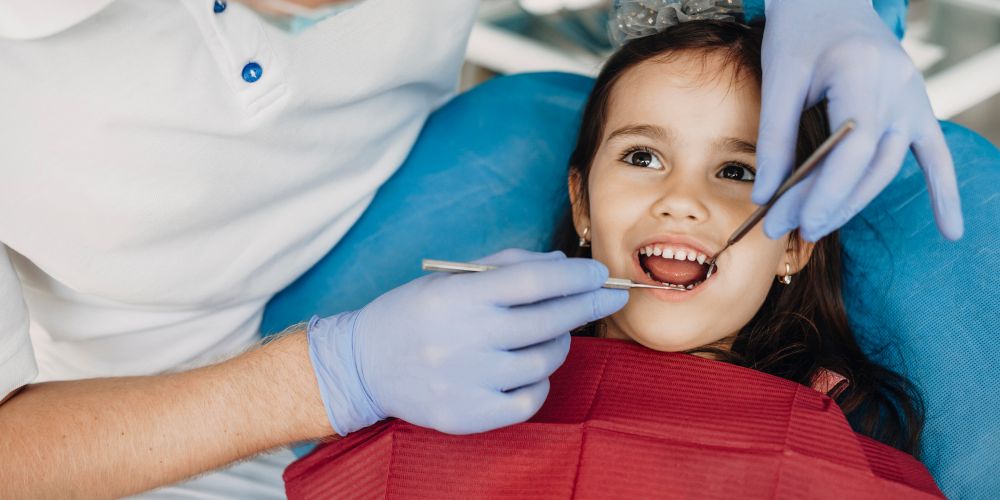
The primary goal is to prevent dental issues before they become severe. Regular visits allow dentists to identify problems such as cavities, gum disease, enamel erosion, and bite alignment concerns at an early stage. This proactive approach often saves patients time, discomfort, and money while improving long-term outcomes.
In addition to preventive care, dental professionals focus on educating patients about proper oral hygiene habits. By combining professional treatment with daily home care, individuals can enjoy stronger teeth, healthier gums, and improved confidence.
Why Oral Health Matters
Oral health is closely linked to overall health. Poor dental hygiene can contribute to various health complications, including infections, inflammation, and chronic conditions. Maintaining healthy teeth and gums supports both physical and emotional well-being.

When oral health is neglected, plaque and bacteria accumulate on the teeth and gums. Over time, this can lead to cavities, gingivitis, periodontal disease, and tooth loss. These conditions not only affect the mouth but may also influence other parts of the body.
People with healthy smiles often experience greater confidence in social and professional situations. Smiling comfortably can improve communication, self-esteem, and personal relationships. This psychological benefit is one of the many reasons regular dental care remains essential throughout life.
Another significant advantage is the ability to eat and speak properly. Healthy teeth play a critical role in chewing food efficiently and pronouncing words clearly. Maintaining oral health contributes to a better quality of life and helps individuals remain comfortable and active.
Core Services Offered Through Midline Dental Care
A comprehensive dental care approach typically includes several essential services designed to meet different patient needs.
Preventive Dentistry
Preventive dentistry focuses on avoiding dental problems before they develop. This includes routine examinations, professional cleanings, fluoride treatments, and dental sealants.
Regular checkups allow dentists to monitor oral health and identify concerns early. Professional cleanings remove plaque and tartar that cannot be eliminated through brushing alone. Preventive care forms the foundation of Midline Dental Care and supports long-term dental wellness.
Restorative Dentistry
Restorative treatments repair damaged or missing teeth. Common procedures include fillings, crowns, bridges, root canals, and dental implants.
These treatments restore function, appearance, and comfort while preventing further complications. Patients experiencing tooth decay or injury often benefit from restorative dentistry.
Cosmetic Dentistry
Cosmetic procedures enhance the appearance of teeth and smiles. Popular options include teeth whitening, veneers, bonding, and smile makeovers.
While cosmetic treatments improve aesthetics, many also provide functional benefits. A brighter, healthier-looking smile can significantly boost confidence and self-esteem.
Orthodontic Care
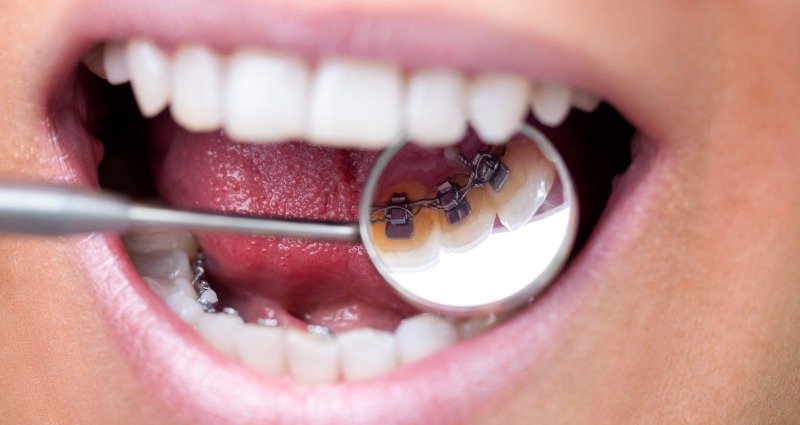
Orthodontic treatments correct misaligned teeth and bite issues. Traditional braces and clear aligners help improve dental alignment and overall oral function.
Properly aligned teeth are easier to clean and maintain, reducing the risk of cavities and gum disease.
Common Dental Treatments and Their Benefits
The following table highlights some common dental treatments and their primary benefits:
| Treatment | Purpose | Key Benefits |
|---|---|---|
| Dental Cleaning | Remove plaque and tartar | Prevents cavities and gum disease |
| Fillings | Repair tooth decay | Restores tooth structure |
| Crowns | Cover damaged teeth | Improves strength and appearance |
| Root Canal | Treat infected tooth pulp | Saves natural teeth |
| Dental Implants | Replace missing teeth | Long-lasting and natural-looking |
| Teeth Whitening | Brighten teeth | Enhances smile aesthetics |
| Veneers | Improve tooth appearance | Corrects stains and imperfections |
| Orthodontics | Straighten teeth | Better alignment and oral health |
These treatments form an important part of comprehensive dental care and help patients maintain healthy, functional smiles.
The Importance of Preventive Dental Care
Preventive dentistry remains one of the most effective ways to protect oral health. Many dental issues develop gradually and may not cause symptoms during the early stages. Regular dental visits allow professionals to detect problems before they become serious.
Patients who prioritize preventive care often experience fewer cavities, healthier gums, and reduced treatment costs over time. Professional examinations provide an opportunity to identify potential concerns such as enamel wear, gum recession, and oral infections.
A strong preventive routine typically includes:
- Brushing twice daily with fluoride toothpaste
- Flossing every day
- Using antibacterial mouthwash
- Limiting sugary foods and beverages
- Scheduling regular dental checkups
- Replacing toothbrushes every three months
These simple habits can significantly improve oral health and reduce the likelihood of major dental procedures.
Technology and Innovation in Modern Dentistry
Advancements in dental technology have transformed patient care. Today’s dental practices utilize sophisticated tools and techniques to improve accuracy, comfort, and treatment outcomes.

Digital imaging allows dentists to obtain detailed views of teeth, gums, and bone structures. These images support precise diagnoses and treatment planning. Intraoral cameras provide real-time visual assessments, helping patients better understand their oral health conditions.
Laser dentistry offers minimally invasive treatment options for certain procedures. Many laser treatments reduce discomfort, bleeding, and recovery time compared to traditional methods.
Computer-assisted design and manufacturing technologies have also improved restorative dentistry. Crowns, veneers, and other restorations can now be created with remarkable precision and efficiency.
By embracing innovation, Midline Dental Care helps patients receive high-quality treatment while enhancing their overall experience.
How Nutrition Affects Dental Health
Diet plays a crucial role in maintaining healthy teeth and gums. The foods and beverages consumed daily directly influence oral health outcomes.
Sugary foods and drinks contribute to cavity formation because oral bacteria feed on sugar and produce acids that attack tooth enamel. Frequent consumption increases the risk of decay and enamel erosion.
On the other hand, nutrient-rich foods support strong teeth and healthy gums. Calcium, phosphorus, vitamin D, and vitamin C are especially important for oral health.
Foods that support dental wellness include:
- Dairy products
- Leafy green vegetables
- Nuts and seeds
- Fresh fruits
- Lean proteins
- Whole grains
Drinking plenty of water also helps rinse away food particles and bacteria. A balanced diet complements professional dental care and promotes long-term oral health.
Choosing the Right Dental Care Provider
Selecting a dental provider is an important decision that can impact oral health outcomes. Patients should consider several factors when evaluating dental services.
Experience and qualifications are essential indicators of quality care. Dentists with extensive training and continuing education are often better equipped to provide comprehensive treatment options.
Technology and facilities also matter. Modern equipment can improve diagnostic accuracy and patient comfort. Additionally, a welcoming environment helps reduce anxiety and encourages regular visits.
When choosing a provider, consider:
- Professional credentials
- Range of services offered
- Patient reviews and reputation
- Office cleanliness and technology
- Communication and customer service
- Emergency care availability
Finding a provider that aligns with individual needs can make maintaining oral health more convenient and effective.
Maintaining Oral Health at Home
Professional dental visits are important, but daily habits play an equally critical role in oral health maintenance. Effective home care helps prevent common dental issues and supports treatment outcomes.

Brushing should be performed for at least two minutes twice per day using a soft-bristled toothbrush and fluoride toothpaste. Proper technique ensures thorough cleaning without damaging enamel or gums.
Flossing removes plaque and food debris from areas that toothbrushes cannot reach. Consistent flossing reduces the risk of cavities and gum disease.
Mouthwash can provide additional protection by reducing bacteria and freshening breath. However, it should complement—not replace—brushing and flossing.
Individuals following the principles of Midline Dental Care often achieve better oral health by combining professional treatment with consistent home care practices.
Benefits of Comprehensive Dental Care
A comprehensive approach to dental health offers numerous advantages. Patients who receive regular preventive, restorative, and cosmetic care often experience better long-term outcomes.
Key benefits include:
- Improved oral health
- Reduced risk of cavities and gum disease
- Enhanced smile appearance
- Increased self-confidence
- Better chewing and speaking ability
- Early detection of dental issues
- Lower long-term treatment costs
Comprehensive care also promotes overall wellness by reducing the likelihood of oral infections and related health complications.
By investing in routine dental care, individuals can enjoy healthier smiles and improved quality of life for many years.
Conclusion
Maintaining excellent oral health requires a combination of professional care, healthy habits, and informed decision-making. Midline Dental Care represents a comprehensive approach that emphasizes prevention, early intervention, restorative treatment, and aesthetic enhancement. Through regular dental visits, proper oral hygiene, balanced nutrition, and modern treatment options, individuals can protect their teeth and gums while enjoying the confidence that comes with a healthy smile.
Read more: National Dental Care: A Complete Guide to Oral Health and Preventive Dentistry