

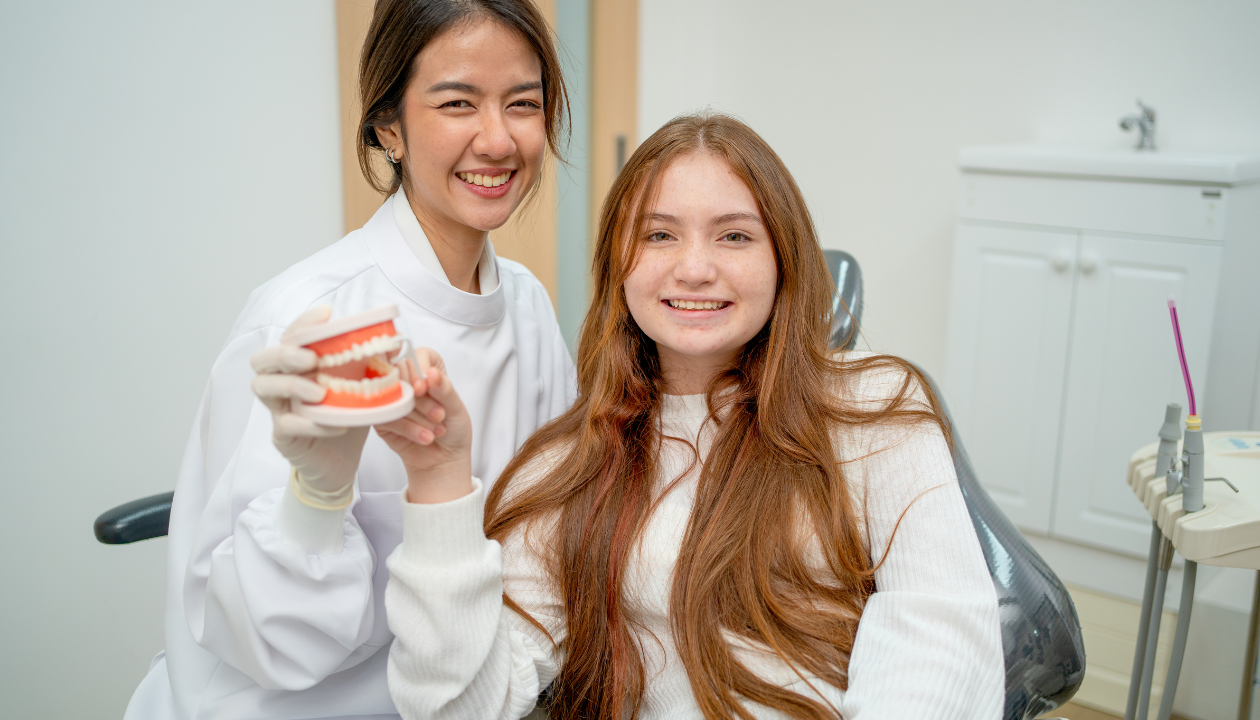
A confident smile can make a big difference in a teenager’s personality, appearance, and self-esteem. During the teenage years, many dental issues such as crowded teeth, gaps, overbites, underbites, and misaligned jaws become more noticeable. Orthodontic treatment is often recommended to correct these concerns and create a healthier, straighter smile. Braces for teens are one of the most common and effective solutions used by orthodontists to improve dental alignment and support long-term oral health. With advancements in dental technology, braces are now more comfortable, attractive, and suitable for different lifestyles.
Teenage years are considered an ideal time for orthodontic treatment because the jaw and teeth are still developing. Orthodontists can guide tooth movement more effectively during this stage, helping prevent future dental complications. Many teenagers choose braces not only for cosmetic improvements but also because properly aligned teeth are easier to clean and maintain. Understanding the treatment process, available options, and daily care requirements can help teens feel more comfortable and confident throughout their orthodontic journey.
Why Do Teenagers Need Braces?
Many teenagers require orthodontic treatment because their teeth do not grow in proper alignment. Some common issues include crooked teeth, overcrowding, spaces between teeth, and problems with the way the upper and lower jaws meet. These dental concerns can affect chewing ability, speech, and overall oral hygiene. When teeth overlap or become crowded, brushing and flossing may become difficult, increasing the risk of cavities and gum problems.
Braces for teens help gradually move teeth into their correct positions by applying controlled pressure over time. This process improves both the function and appearance of the smile. Orthodontists carefully evaluate each teenager’s dental condition before recommending a suitable treatment plan. Early correction of alignment problems can reduce the chances of serious dental issues in adulthood and help teenagers maintain better oral health habits.
Different Types of Braces Available for Teens
Modern orthodontics offers several types of braces designed to meet different needs and preferences. Traditional metal braces remain one of the most popular choices because they are reliable, effective, and suitable for treating complex dental problems. These braces use metal brackets and wires that slowly move teeth into proper alignment. Many teens also enjoy customizing traditional braces with colorful bands to make the experience more personal and fun.
Ceramic braces are another option for teenagers who prefer a less noticeable treatment. They work similarly to metal braces but use tooth-colored or clear brackets that blend more naturally with the teeth. Clear aligners are also becoming popular because they are removable and nearly invisible. However, they may not be suitable for every orthodontic issue. An orthodontist can recommend the best option based on the teen’s dental condition, lifestyle, and treatment goals.
Benefits of Braces for Teens
The primary benefit of braces for teens is achieving a straighter and healthier smile. Properly aligned teeth improve appearance and often increase confidence during important teenage years. A beautiful smile can positively influence social interactions, communication, and self-image. Many teenagers feel more comfortable smiling and expressing themselves after completing orthodontic treatment.
Braces also provide important health benefits beyond appearance. Straight teeth are easier to brush and floss, reducing the chances of tooth decay and gum disease. Correcting bite problems can improve chewing efficiency and prevent unnecessary stress on the jaw joints. In some cases, orthodontic treatment can also improve speech difficulties caused by severe dental misalignment. Overall, braces support both short-term improvements and long-term dental wellness.
How Long Do Teens Need to Wear Braces?
The length of orthodontic treatment varies from person to person. On average, most teenagers wear braces for about 18 to 24 months, although some cases may require shorter or longer periods. The treatment duration depends on factors such as the severity of tooth misalignment, jaw development, and how well the teenager follows orthodontic instructions.
Regular appointments are necessary during treatment to adjust wires, monitor progress, and make sure teeth are moving correctly. Teenagers who maintain good oral hygiene and follow their orthodontist’s advice may experience smoother treatment results. Missing appointments or not following care instructions can delay progress and extend the time needed to achieve the desired smile.

What to Expect During the Braces Treatment Process
The braces journey usually begins with an orthodontic consultation. During this visit, the orthodontist examines the teeth, takes digital scans or X-rays, and creates a personalized treatment plan. The teen and parents can discuss different treatment options, expected results, and estimated timelines before starting.
Once braces are placed, mild discomfort or pressure may occur as the teeth begin adjusting. This feeling usually improves within a few days. Throughout treatment, orthodontic appointments are scheduled regularly to make necessary adjustments. Teenagers should communicate any discomfort or concerns with their orthodontist so problems can be addressed quickly. Understanding each stage of treatment helps teens feel prepared and confident.
Daily Care Tips for Teens With Braces
Taking proper care of braces is essential for achieving successful results. Teenagers should brush their teeth carefully after meals to remove food particles trapped around brackets and wires. Using fluoride toothpaste and orthodontic-friendly toothbrushes can help maintain healthy teeth during treatment. Flossing is also important because it removes plaque from areas that are difficult to reach with regular brushing.
Avoiding certain foods can protect braces from damage. Hard foods such as ice, hard candies, and some crunchy snacks may break brackets or wires. Sticky foods like chewing gum and caramel can also create cleaning problems. Following these simple care habits allows braces for teens to work effectively while keeping the teeth healthy throughout the treatment period.
Common Challenges Teenagers Face With Braces
Although braces provide excellent results, teenagers may experience some challenges during treatment. Adjusting to eating restrictions, cleaning routines, and temporary discomfort can require patience. Some teens may initially feel self-conscious about wearing braces, especially when they are concerned about appearance.
However, modern braces are designed to be more comfortable and attractive than older versions. Many teenagers quickly adapt and begin viewing braces as a positive step toward improving their smile. Support from family, friends, and orthodontic professionals can make the experience easier. With time, most teens appreciate the benefits and confidence gained from completing their treatment.
How Parents Can Support Teens During Orthodontic Treatment
Parents play an important role in helping teenagers successfully complete orthodontic treatment. Encouraging good dental habits, reminding teens about appointments, and providing braces-friendly foods can make the process easier. Emotional support is also valuable because teenagers may need reassurance during periods of discomfort or adjustment.
Parents should help teenagers understand that orthodontic treatment is an investment in their future oral health. Positive encouragement can motivate teens to follow their orthodontist’s instructions and stay committed to the treatment plan. A supportive environment helps create a better experience and improves the chances of achieving excellent results.
Cost Factors for Braces Treatment
The cost of orthodontic treatment depends on several factors, including the type of braces chosen, treatment duration, and the complexity of the dental condition. Traditional braces are often considered a cost-effective option, while advanced choices such as ceramic braces or clear aligners may have different pricing structures.
Many orthodontic clinics provide flexible payment options to make treatment more accessible for families. Before beginning treatment, it is important to discuss all costs, available options, and expected expenses with the orthodontist. Investing in braces for teens can provide lifelong benefits by improving dental function, confidence, and overall oral health.
Maintaining Results After Braces Are Removed
After completing orthodontic treatment, wearing retainers is necessary to maintain the new position of the teeth. Without retainers, teeth may gradually shift back toward their original positions. Orthodontists usually recommend wearing retainers according to a specific schedule based on individual needs.
Retainers are an important final step in the orthodontic process. Teenagers should follow their orthodontist’s instructions carefully to protect their new smile. Maintaining good oral hygiene and regular dental checkups after braces are removed will help preserve healthy and attractive teeth for many years.
Conclusion
Orthodontic treatment can be a life-changing experience for teenagers by improving both their smile and oral health. Braces for teens offer an effective solution for correcting crooked teeth, bite problems, and alignment issues while creating long-lasting dental benefits. With different treatment options available today, teenagers can choose solutions that match their needs, preferences, and lifestyle.
Although wearing braces requires commitment and proper care, the results are worth the effort. A healthier smile can increase confidence, improve dental function, and support better oral hygiene habits. By understanding the treatment process and following professional advice, teenagers can enjoy a successful orthodontic journey and achieve a smile they feel proud to share.
Read More:-Fake Braces: Understanding Their Uses, Risks, and Alternatives