

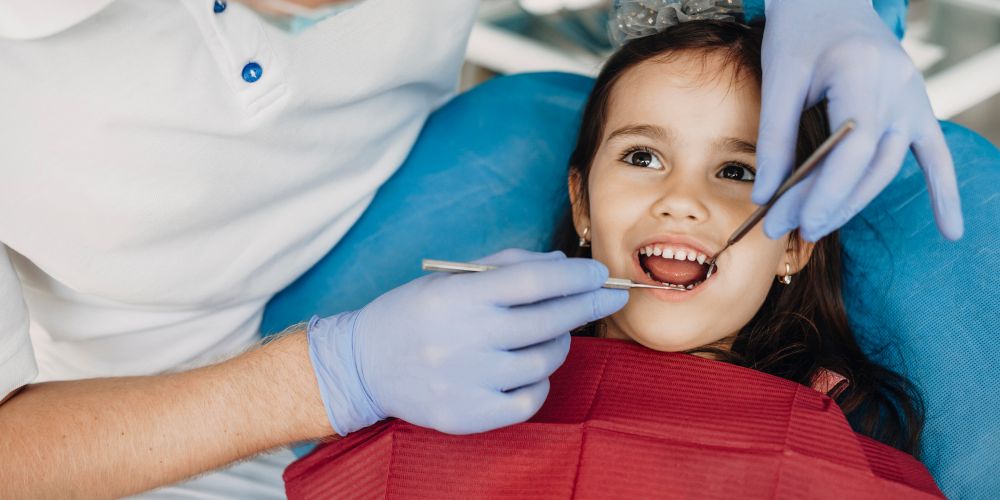
A healthy smile plays an important role in a child’s confidence, appearance, and overall oral health. Many children experience problems such as crooked teeth, overcrowding, gaps between teeth, or incorrect bites while their permanent teeth develop. In such situations, orthodontic treatment can help improve dental alignment and create a stronger, healthier smile. Braces for kids are one of the most common and effective solutions recommended by orthodontists to correct these dental concerns. They work by applying gentle pressure over time to move teeth into their proper positions and improve the way the upper and lower jaws fit together.
Parents often wonder when the right time is to consider orthodontic treatment for their children. While every child’s dental development is different, many orthodontists recommend an early evaluation around the age of seven. This does not always mean immediate treatment is required, but an early checkup can help identify potential issues and determine the best time to begin treatment. Understanding how braces work, their benefits, and the different options available can help parents make informed decisions about their child’s dental care.
Why Do Kids Need Braces?
Children may need orthodontic treatment for several reasons related to tooth alignment and jaw development. Some common dental problems include crowded teeth, overbite, underbite, crossbite, and spaces between teeth. These conditions can affect chewing, speaking, cleaning teeth properly, and maintaining good oral hygiene. If left untreated, certain dental issues may become more difficult to correct later in life.
Braces for kids are designed to gradually correct these problems by guiding teeth into better positions. Properly aligned teeth are easier to brush and floss, reducing the chances of cavities and gum problems. In addition to improving oral function, braces can also enhance a child’s facial appearance and self-confidence. A well-aligned smile often helps children feel more comfortable when interacting with others.
Best Age to Start Braces Treatment
The ideal age for braces depends on a child’s dental growth and the type of orthodontic problem they have. Most children begin orthodontic treatment between the ages of eight and fourteen because this is when permanent teeth have usually grown in and the jaw is still developing. However, some children may need treatment earlier, while others may benefit from waiting until their teenage years.
An orthodontist can examine the child’s teeth, jaw structure, and bite pattern to decide the right timing. Early assessment allows professionals to monitor dental development and create a personalized treatment plan. Starting at the correct time can make the process more effective and may prevent more complicated procedures in the future.
Different Types of Braces for Kids
Modern orthodontics offers several types of braces that are suitable for children. Traditional metal braces are among the most popular choices because they are reliable, effective, and can treat a wide range of dental problems. These braces use metal brackets attached to the teeth and connected with wires that gradually move teeth into position.
Ceramic braces are another option that works similarly to traditional braces but uses tooth-colored materials. They are less noticeable and may be preferred by older children who are concerned about appearance. Clear aligners are also becoming popular for some children because they are removable and nearly invisible. However, they are only suitable for certain orthodontic cases and require discipline to wear them as instructed.
How Do Braces Work?
Braces work by applying controlled pressure to the teeth over a period of time. The brackets and wires create gentle forces that encourage teeth to shift into their correct positions. During treatment, the orthodontist regularly adjusts the braces to continue guiding the teeth effectively.
The process is gradual because teeth and surrounding tissues need time to adapt safely. Depending on the complexity of the dental issue, treatment may take several months to a few years. Consistent appointments and proper care are important for achieving the best possible results.
Benefits of Braces for Kids
There are many advantages associated with orthodontic treatment during childhood. One of the biggest benefits is improved dental alignment, which creates a more attractive and functional smile. Straight teeth can make chewing easier and improve speech clarity in some cases.
Braces for kids can also support better long-term oral health. Teeth that are properly aligned are easier to clean, which helps prevent plaque buildup, tooth decay, and gum problems. Additionally, correcting bite issues can reduce unnecessary pressure on teeth and jaw joints.
Another important benefit is improved confidence. Many children feel happier and more comfortable after achieving a healthy smile. The positive effects of orthodontic treatment can continue throughout adulthood.
What to Expect During Braces Treatment
The braces journey usually begins with a detailed orthodontic examination. The orthodontist may take dental images, photographs, and measurements to understand the child’s specific needs. After evaluation, a customized treatment plan is created.
Once braces are placed, children may experience mild discomfort for a few days as their teeth adjust. This feeling usually decreases quickly. Regular follow-up visits are required so the orthodontist can make adjustments and monitor progress.
During treatment, children need to follow certain care instructions. Avoiding very hard or sticky foods, brushing carefully, and attending scheduled appointments can help prevent problems and keep treatment on track.

Caring for Teeth While Wearing Braces
Maintaining excellent oral hygiene is extremely important during orthodontic treatment. Food particles can easily get trapped around brackets and wires, increasing the risk of cavities if teeth are not cleaned properly. Children should brush after meals and use recommended flossing techniques to keep their teeth healthy.
Parents can support their children by encouraging good dental habits and helping them follow the orthodontist’s instructions. Regular dental checkups are also important to monitor overall oral health during the braces process.
A balanced diet also plays a key role. Foods rich in calcium and vitamins support strong teeth and bones, while limiting sugary snacks can reduce the risk of tooth problems during treatment.
How Much Do Braces for Kids Cost?
The cost of orthodontic treatment varies depending on several factors, including the type of braces, treatment duration, location, and the complexity of the dental condition. Traditional braces are generally more affordable compared to some advanced options, while clear aligners may have different pricing based on individual needs.
Many orthodontic clinics offer payment plans to make treatment more manageable for families. Parents should discuss available options with their orthodontist and understand all costs involved before beginning treatment.
Although braces require an investment, they provide long-term benefits by improving dental health, appearance, and confidence. Early correction of dental problems can also help prevent more expensive treatments in the future.
Common Myths About Braces for Kids
There are several misconceptions about orthodontic treatment that may create unnecessary concerns among parents and children. One common myth is that braces are only needed for appearance. In reality, braces also improve dental function and help maintain better oral health.
Another misconception is that braces are extremely painful. While children may experience temporary discomfort after adjustments, modern orthodontic methods are designed to make treatment more comfortable.
Some people also believe that only teenagers need braces. However, children of different ages can benefit from orthodontic evaluation depending on their dental development and needs.
Tips for Parents Before Choosing Braces
Parents should choose an experienced orthodontist who can provide proper guidance throughout the treatment process. Asking questions about treatment options, expected results, and maintenance requirements can help families feel more prepared.
It is also important to involve children in the decision-making process. Explaining the benefits of braces and encouraging responsibility can make the experience more positive. When children understand the purpose of treatment, they are more likely to follow care instructions.
Regular communication with the orthodontist helps ensure that any concerns are addressed quickly and that the treatment progresses smoothly.
Conclusion
A healthy smile can have a lasting impact on a child’s confidence and overall dental well-being. Braces for kids provide an effective way to correct alignment issues, improve bite problems, and support better oral health. With different treatment options available today, parents can choose a solution that matches their child’s needs and lifestyle.
Starting with an early orthodontic evaluation helps identify problems at the right time and creates opportunities for successful treatment. Although wearing braces requires patience, proper care, and regular visits, the results can provide lifelong benefits. Investing in orthodontic treatment during childhood can help children achieve a strong, beautiful, and confident smile for the future.
Read More:-Black Braces: Stylish Orthodontic Treatment for Better Smiles