

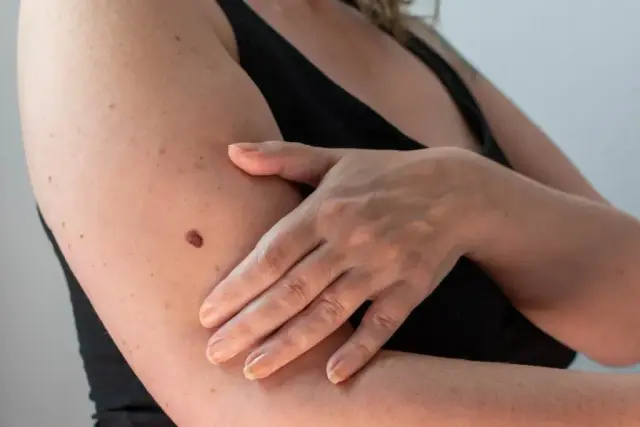
Skin cancer is one of the most common forms of cancer worldwide, affecting millions of people every year. While it can develop in anyone, early detection greatly improves the chances of successful treatment. Many people wonder what does skin cancer look like because its appearance can vary depending on the type, stage, and location on the body. Some skin cancers appear as unusual moles, while others resemble sores that refuse to heal or patches of rough, scaly skin. Learning to recognize these warning signs can help you seek medical advice before the condition progresses. Regular skin examinations, combined with sun protection habits, play a major role in reducing risk. Understanding the appearance of suspicious skin changes empowers individuals to take better care of their health. This guide explains the different forms of skin cancer, common symptoms, diagnosis methods, treatment options, and practical prevention tips that everyone should know.
Understanding Skin Cancer
Skin cancer develops when abnormal skin cells begin growing uncontrollably. This often occurs after years of exposure to ultraviolet (UV) radiation from the sun or tanning beds, although genetics and immune system conditions may also contribute. There are several types of skin cancer, and each has unique characteristics. Some grow slowly and remain localized, while others can spread if left untreated. Many people ask what does skin cancer look like because identifying abnormal skin changes early is essential for successful treatment. Healthy skin cells usually grow, divide, and die in an orderly process. When DNA damage interrupts this process, cells continue multiplying, eventually forming cancerous growths. Skin cancer can develop on areas frequently exposed to sunlight, such as the face, neck, arms, and hands, but it may also appear on less exposed parts of the body. Regular observation of your skin helps detect changes before they become serious.
Common Types of Skin Cancer
The three primary types of skin cancer include basal cell carcinoma, squamous cell carcinoma, and melanoma. Basal cell carcinoma is the most common and usually appears as a shiny bump, pearly nodule, or flat scar-like patch. Squamous cell carcinoma often develops as a rough, red patch or a raised growth that may crust or bleed. Melanoma is the most dangerous form because it can spread rapidly if untreated. It often begins as an unusual mole with irregular borders, multiple colors, or noticeable changes in size and shape. When asking what does skin cancer look like, it is important to understand these differences because each type presents unique warning signs. Although melanoma accounts for fewer cases than other forms, it causes the majority of skin cancer-related deaths. Recognizing suspicious growths and seeking prompt evaluation significantly improves outcomes for all skin cancer types.
Early Warning Signs to Watch For
Skin cancer often begins with subtle changes that may be overlooked. One of the earliest warning signs is a mole or spot that changes in size, shape, color, or texture. Other signs include sores that fail to heal, persistent itching, bleeding, crusting, or redness around a lesion. New growths appearing suddenly should also receive attention. Many individuals searching for what does skin cancer look like are surprised to learn that cancerous spots do not always cause pain. Some remain completely painless while slowly growing over time. The ABCDE rule is commonly used to evaluate moles: Asymmetry, Border irregularity, Color variation, Diameter larger than six millimeters, and Evolving appearance. Any skin lesion displaying these characteristics should be examined by a healthcare professional. Early diagnosis often leads to simpler treatments and a much higher chance of complete recovery.
How Different Skin Cancers Appear
Each form of skin cancer has a distinctive appearance, although overlap can occur. Basal cell carcinoma commonly appears as a smooth, pearly bump with visible blood vessels or a waxy patch that slowly enlarges. Squamous cell carcinoma often resembles a rough, scaly patch, wart-like growth, or open sore that repeatedly heals and reopens. Melanoma usually presents as a dark mole with uneven colors, irregular borders, and noticeable changes over time. When considering what does skin cancer look like, remember that not every suspicious lesion is dark brown or black. Some melanomas may appear pink, red, white, or even colorless. Skin cancers can also bleed easily after minor contact or develop crusts that repeatedly return. Because appearances vary widely, any persistent or changing skin abnormality deserves professional evaluation instead of self-diagnosis.
Who Is Most at Risk?
Although anyone can develop skin cancer, certain individuals face a higher risk. People with fair skin, light-colored eyes, freckles, or naturally blonde or red hair are generally more susceptible because they have less protective melanin. Those with a history of severe sunburns, frequent outdoor work, or tanning bed use also face increased risk. Family history, weakened immune systems, older age, and previous skin cancer diagnoses further increase vulnerability. Even individuals with darker skin tones are not immune, although the disease may appear less frequently. Understanding what does skin cancer look like is valuable for everyone regardless of skin color. Performing monthly skin checks and attending regular medical examinations can help detect suspicious lesions before they become advanced. Prevention and awareness remain the most effective strategies for reducing long-term health risks associated with skin cancer.
Diagnosis and Medical Evaluation
Doctors diagnose skin cancer through a combination of physical examination and laboratory testing. During an examination, a dermatologist carefully inspects suspicious lesions using specialized lighting and magnification tools. If a spot appears concerning, a biopsy is performed by removing part or all of the lesion for microscopic analysis. The biopsy identifies the exact type of cancer and determines appropriate treatment. People wondering what does skin cancer look like should remember that photographs found online cannot replace a professional diagnosis. Many harmless skin conditions resemble cancer, while some dangerous lesions appear deceptively ordinary. Additional imaging or lymph node evaluation may be necessary if melanoma is suspected to have spread. Early diagnosis allows doctors to recommend the least invasive treatments while significantly improving long-term survival and reducing complications.
Treatment Options
Treatment depends on the type, size, location, and stage of skin cancer. Surgical removal is the most common approach and often cures early-stage cancers completely. Other treatments include cryotherapy, curettage with electrodessication, topical medications, radiation therapy, immunotherapy, targeted therapy, and chemotherapy in advanced cases. Mohs surgery is frequently used for facial skin cancers because it removes cancer while preserving as much healthy tissue as possible. Patients researching what does skin cancer look like often worry about treatment outcomes, but many early skin cancers are highly treatable with minimal scarring when detected promptly. Recovery time varies depending on the procedure, but follow-up appointments remain essential because individuals who have experienced one skin cancer are at increased risk of developing another in the future.
Prevention Tips for Healthy Skin
Preventing skin cancer begins with reducing UV exposure. Wearing broad-spectrum sunscreen with an SPF of at least 30 every day is one of the most effective protective measures. Wide-brimmed hats, sunglasses, protective clothing, and seeking shade during peak sunlight hours further reduce exposure. Avoiding tanning beds is equally important because artificial UV radiation significantly increases cancer risk. Monthly self-examinations help identify suspicious changes before they become serious. During these checks, inspect the scalp, back, feet, nails, and areas that receive less sunlight. Taking photographs can help monitor changes over time. Learning what does skin cancer look like encourages greater awareness and supports early detection. Combining healthy habits with routine dermatologist visits provides the best defense against developing serious skin conditions.
When to See a Doctor
Many skin changes are harmless, but some require immediate medical attention. Consult a healthcare professional if you notice a mole that changes rapidly, a sore that does not heal within several weeks, persistent bleeding, unusual itching, or new growths with irregular features. Individuals with multiple atypical moles or a personal history of skin cancer should schedule regular skin examinations even if no obvious symptoms are present. Waiting too long may allow aggressive cancers such as melanoma to spread beyond the skin. Professional evaluation provides reassurance when lesions are harmless and enables prompt treatment when cancer is detected. Trusting your instincts and acting quickly can make a significant difference in health outcomes and long-term recovery.
Conclusion
Recognizing suspicious skin changes can save lives because early detection dramatically improves treatment success. Skin cancer does not always appear the same, making regular self-examinations and professional skin checks especially important. Whether a lesion appears as a changing mole, a shiny bump, a rough patch, or a sore that refuses to heal, any unusual skin change deserves attention. Understanding the different types of skin cancer, their warning signs, risk factors, diagnostic methods, and treatment options helps individuals make informed healthcare decisions. Protecting your skin from excessive UV exposure, wearing sunscreen daily, and monitoring changes throughout the year are simple yet powerful habits. Awareness remains one of the strongest tools in preventing advanced disease and maintaining healthy skin for years to come.
Read More:- Cervical Cancer Symptoms: Early Signs, Causes and Prevention Guide