

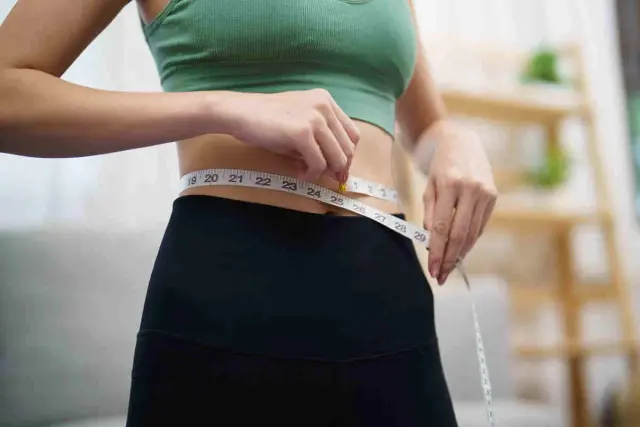
Polycystic Ovary Syndrome (PCOS) is one of the most common hormonal conditions affecting women worldwide. It can influence menstrual cycles, metabolism, insulin sensitivity, skin health, fertility, and overall well-being. One of the biggest challenges many women with PCOS experience is difficulty losing weight, even when they follow traditional diet and exercise routines. This happens because PCOS affects the way the body processes hormones and energy, making weight management more complex than simple calorie reduction.
Many women searching for pcos weight loss solutions are looking for sustainable methods that support hormonal balance rather than quick fixes. While losing weight with PCOS may require extra patience, the right combination of nutrition, physical activity, stress management, and healthy lifestyle habits can make a significant difference. Understanding how PCOS affects the body is the first step toward creating a realistic and effective weight management approach.
Weight loss is not only about changing appearance; it can also improve insulin sensitivity, reduce inflammation, regulate periods, and support better hormonal health. A personalized approach that considers individual symptoms, lifestyle, and medical guidance is often the most effective way to achieve long-term results.
Understanding the Connection Between PCOS and Weight Gain
PCOS affects the endocrine system, which controls hormone production and regulation. Many women with PCOS have higher levels of androgens (male hormones) and may experience insulin resistance. Insulin resistance occurs when body cells do not respond effectively to insulin, causing the pancreas to produce more insulin to maintain normal blood sugar levels.
Higher insulin levels can encourage the body to store more fat, especially around the abdominal area. This can make weight loss more challenging and may also increase cravings for sugary or carbohydrate-rich foods. Unlike general weight gain, PCOS-related weight changes are often connected to metabolic and hormonal factors.
Another factor is inflammation. PCOS is often associated with low-grade inflammation, which can affect metabolism and energy levels. Some women may also experience fatigue, mood changes, and irregular sleep patterns, making it harder to maintain consistent healthy habits.
Understanding these factors helps explain why traditional weight loss advice may not always work effectively for women with PCOS. Instead of focusing only on reducing calories, the goal should be improving metabolic health and supporting hormonal balance.
How Diet Plays a Role in PCOS Weight Loss
Choosing Foods That Support Hormonal Balance
Nutrition plays an important role in managing PCOS symptoms. A balanced eating pattern can help stabilize blood sugar levels, improve insulin response, and reduce excessive cravings. The focus should be on nutrient-dense foods that provide steady energy throughout the day.
A PCOS-friendly eating approach usually includes high-quality proteins, healthy fats, fiber-rich carbohydrates, and plenty of vegetables. Protein helps maintain muscle mass and improves feelings of fullness, while fiber slows digestion and helps prevent sudden blood sugar increases.
Foods with a lower glycemic impact may be beneficial because they release glucose more slowly into the bloodstream. This can support better insulin management and reduce energy crashes. However, completely eliminating carbohydrates is usually unnecessary and may not be sustainable for many people.
A healthy dietary pattern for PCOS may include:
- Protein sources such as eggs, fish, lean meats, tofu, beans, and lentils.
- Fiber-rich foods including vegetables, fruits, whole grains, and seeds.
- Healthy fats from nuts, olive oil, avocado, and fatty fish.
- Limited intake of highly processed foods and added sugars.
The goal is not extreme restriction but creating a balanced relationship with food. Consistency over time is more important than following a temporary diet plan.
The Importance of Exercise for Managing PCOS Symptoms
Physical activity is one of the most effective lifestyle tools for improving metabolic health in women with PCOS. Exercise can increase insulin sensitivity, support muscle development, improve mood, and help regulate body composition.
Strength training is especially valuable because building muscle helps the body use glucose more efficiently. More muscle mass can improve metabolism and support better energy balance. Activities such as resistance exercises, weight training, and bodyweight workouts can be included based on fitness level.
Cardiovascular exercises such as walking, cycling, swimming, or dancing can also support heart health and calorie management. However, excessive high-intensity exercise without proper recovery may increase stress levels for some women, so balance is important.
For many women, combining strength training with moderate cardio provides a sustainable approach to pcos weight loss. The best exercise routine is one that can be followed consistently rather than one that causes exhaustion or burnout.
Lifestyle Changes That Support Long-Term Results
Managing Stress and Improving Sleep
Stress management is often overlooked when discussing PCOS. Chronic stress can increase cortisol levels, which may influence appetite, cravings, and fat storage. Finding ways to reduce daily stress can support overall hormonal health.
Practices such as meditation, deep breathing exercises, yoga, journaling, and spending time on relaxing activities can help regulate stress levels. Even small daily habits can contribute to better emotional and physical balance.
Sleep is another important factor. Poor sleep can affect hunger hormones, increase cravings, and reduce energy for physical activity. Adults generally benefit from maintaining a consistent sleep schedule and creating a relaxing bedtime routine.
Tracking Progress Beyond the Scale
Weight is only one measurement of improvement. Women with PCOS may notice positive changes before significant weight loss occurs. Improvements in energy levels, menstrual regularity, mood, strength, and reduced cravings can all indicate progress.
A sustainable approach focuses on overall health rather than quick weight changes. Rapid weight loss methods often lead to frustration and may not address the underlying hormonal challenges associated with PCOS.
PCOS Weight Loss Approaches Compared
Different strategies may work differently depending on individual symptoms, lifestyle, and health conditions. The following table provides a general comparison of common approaches.
| Approach | How It Helps | Important Considerations |
|---|---|---|
| Balanced whole-food diet | Supports blood sugar control and nutrient intake | Requires consistency and personalized choices |
| Strength training | Improves insulin sensitivity and builds metabolism-supporting muscle | Should be increased gradually |
| Regular walking or cardio | Supports calorie management and cardiovascular health | Best when combined with other activities |
| Stress and sleep management | Helps regulate hormones and appetite signals | Requires long-term lifestyle commitment |
Medical Support and Professional Guidance for PCOS
While lifestyle changes are essential, some women may benefit from professional support. PCOS affects individuals differently, and treatment plans should be based on symptoms, medical history, and personal goals.
A healthcare professional may evaluate hormone levels, blood sugar markers, cholesterol levels, and other health indicators. Some women may require additional support to manage insulin resistance, irregular periods, or other PCOS-related concerns.
Working with qualified professionals such as doctors, registered dietitians, or fitness experts can help create a realistic plan. Medical guidance is especially important when symptoms are severe or when weight changes are linked to underlying health conditions.
Common Mistakes Women Make During PCOS Weight Management
Many women become frustrated because they follow popular weight loss methods that do not consider PCOS-related hormonal factors. One common mistake is relying on extreme calorie restriction. Very low-calorie diets may provide short-term results but can be difficult to maintain and may negatively affect energy levels.
Another mistake is focusing only on weight and ignoring other health improvements. PCOS management is about improving metabolic function, hormonal balance, and quality of life.
Some important things to avoid include:
- Following crash diets that cannot be maintained long term.
- Completely removing important food groups without medical reasons.
- Comparing personal progress with others.
- Ignoring sleep, stress, and mental well-being.
A patient and consistent approach usually creates better results than aggressive short-term strategies.

How Long Does PCOS Weight Loss Usually Take?
The timeline for weight loss with PCOS varies from person to person. Factors such as insulin resistance, activity level, diet quality, genetics, sleep patterns, and stress levels all influence progress.
Some women may notice improvements in energy, cravings, and hormonal symptoms within a few weeks, while visible body composition changes may take several months. Sustainable progress often happens gradually.
The most effective pcos weight loss journey focuses on building habits that can continue for years. Small improvements repeated consistently can create meaningful long-term changes.
Frequently Asked Questions
Can women with PCOS lose weight naturally?
Yes, women with PCOS can lose weight naturally through balanced nutrition, regular exercise, stress management, and healthy lifestyle habits. However, progress may be slower because hormonal and metabolic factors can affect how the body responds to traditional weight loss methods.
Why is losing weight harder with PCOS?
PCOS can make weight loss more difficult because insulin resistance, hormonal imbalance, inflammation, and changes in metabolism may affect fat storage and appetite regulation. These factors mean that a more personalized approach is often needed.
What type of diet is best for PCOS weight management?
There is no single perfect diet for everyone with PCOS. Many women benefit from a balanced diet that includes protein, fiber, healthy fats, and minimally processed foods while reducing excessive sugar and refined carbohydrates.
Does exercise help reduce PCOS symptoms?
Yes, regular exercise can improve insulin sensitivity, support healthy body composition, reduce stress, and improve overall health. Combining strength training with moderate cardiovascular activity is often beneficial.
Can losing weight improve PCOS symptoms?
Weight loss, when appropriate for an individual, may improve insulin sensitivity, hormone regulation, menstrual cycles, and other PCOS symptoms. Even modest changes in body weight can provide health benefits.
Conclusion
Managing PCOS requires a comprehensive approach that focuses on hormonal health, nutrition, movement, and lifestyle balance. While weight loss with PCOS can be challenging, it is achievable with realistic goals and consistent habits. Instead of searching for quick solutions, women can benefit from strategies that improve metabolism and support long-term wellness.
The journey toward pcos weight loss is not only about reducing numbers on a scale but also about creating a healthier relationship with food, exercise, and self-care. With patience, proper guidance, and sustainable lifestyle choices, many women can successfully manage PCOS symptoms and improve their overall quality of life.
Read More:- Can You Get Pregnant With PCOS? Fertility Facts & Tips