

Polycystic Ovary Syndrome (PCOS) is one of the most common hormonal disorders affecting women of reproductive age. It can influence menstrual cycles, fertility, metabolism, weight management, skin health, and overall well-being. While PCOS cannot always be completely cured, making consistent lifestyle changes can help manage symptoms effectively. Among these changes, nutrition plays a major role because the foods you eat directly impact insulin levels, inflammation, hormone regulation, and energy balance.
A well-planned pcos diet plan focuses on improving insulin sensitivity, reducing inflammation, supporting healthy weight management, and providing essential nutrients required for hormonal health. Instead of following extreme diets or removing entire food groups, the goal is to create a balanced eating pattern that can be followed long-term.
Every woman experiences PCOS differently. Some may struggle with weight gain, while others may have irregular periods, acne, excessive hair growth, or difficulty maintaining stable blood sugar levels. Therefore, a personalized approach to diet, combined with regular physical activity and proper medical guidance, can create better results.
Understanding How Diet Affects PCOS
PCOS is often linked with insulin resistance, a condition where the body does not respond properly to insulin. Insulin is a hormone responsible for helping cells use glucose for energy. When insulin levels remain high, the body may produce more androgen hormones, which can worsen symptoms such as irregular periods, acne, and unwanted hair growth.
Food choices can influence insulin levels significantly. Diets high in refined carbohydrates, sugary beverages, processed snacks, and unhealthy fats may increase blood sugar fluctuations and contribute to inflammation. On the other hand, foods rich in fiber, protein, healthy fats, vitamins, and minerals can support better hormonal balance.
A successful pcos diet plan is not about quick weight loss. It is about creating sustainable habits that help regulate metabolism. Eating balanced meals at regular intervals, choosing nutrient-dense foods, and avoiding excessive processed foods can make a noticeable difference in managing PCOS symptoms.
Key Nutrients That Support PCOS Management
Protein: The Foundation of a Balanced PCOS Diet
Protein is an important component of a PCOS-friendly eating pattern because it helps maintain muscle mass, keeps you full for longer, and supports stable blood sugar levels. Including protein in every meal can reduce cravings and prevent sudden energy crashes.
Healthy protein sources include eggs, fish, chicken, Greek yogurt, tofu, lentils, beans, and nuts. For vegetarian individuals, combining different plant-based protein sources can provide essential nutrients needed for overall health.
Fiber-Rich Foods for Better Blood Sugar Control
Fiber plays a significant role in managing insulin resistance because it slows digestion and prevents rapid increases in blood glucose levels. High-fiber foods also support digestive health and may help with weight management by increasing feelings of fullness.
Vegetables, fruits with low glycemic index, whole grains, seeds, and legumes are excellent sources of dietary fiber. Including colorful vegetables in daily meals can also provide antioxidants that help reduce inflammation associated with PCOS.
Healthy Fats for Hormonal Balance
Healthy fats are essential for hormone production and overall wellness. Many women with PCOS benefit from including sources of omega-3 fatty acids and monounsaturated fats in their diet.
Foods such as avocado, olive oil, walnuts, chia seeds, flaxseeds, and fatty fish can support heart health and help manage inflammation. The focus should be on replacing unhealthy trans fats and excessive fried foods with healthier fat options.
Foods to Include in a PCOS Diet Plan
A balanced eating pattern for PCOS should include foods that support stable blood sugar, reduce inflammation, and provide essential nutrients. Instead of focusing only on restrictions, adding supportive foods can make the diet easier to follow.
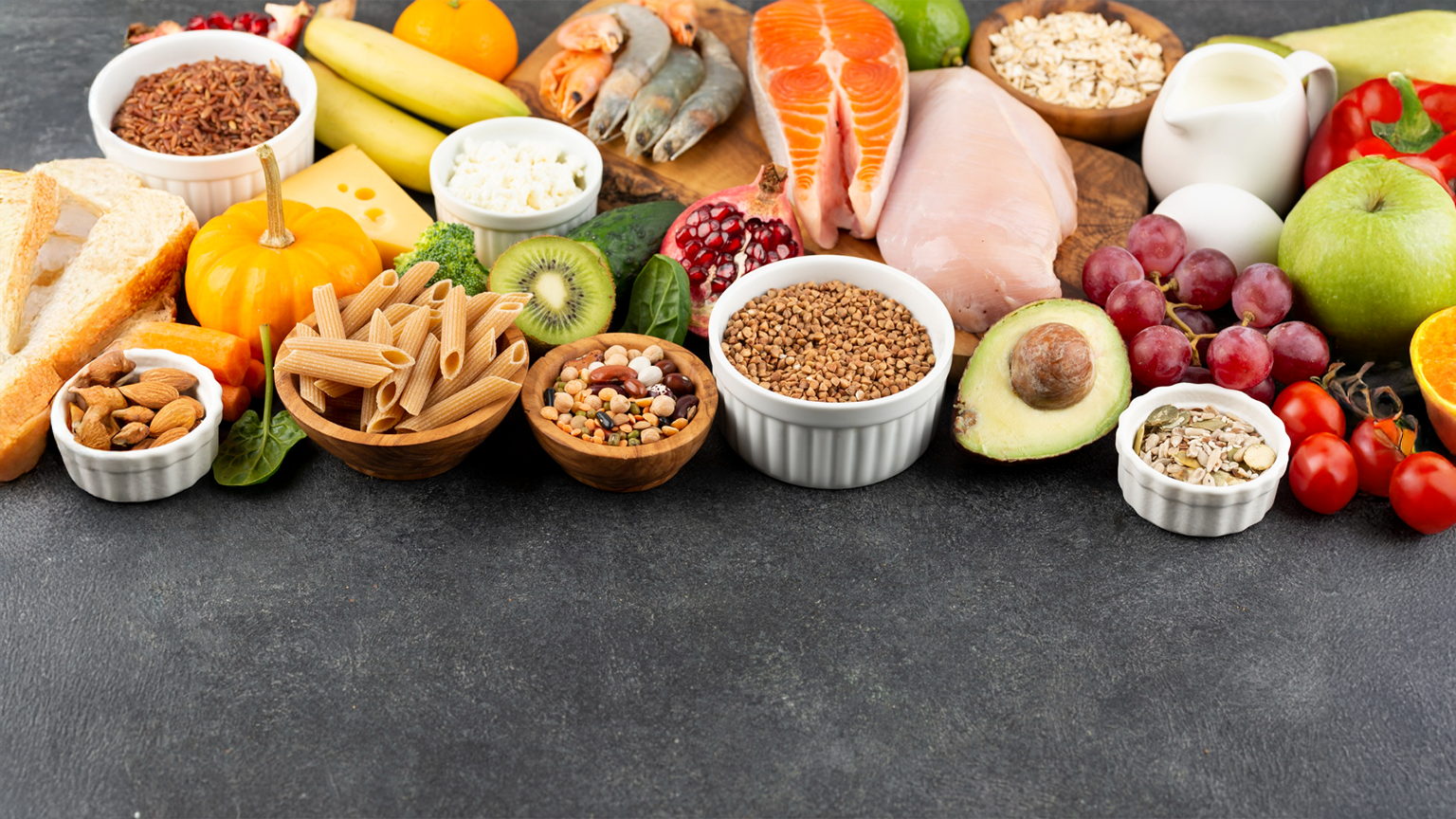
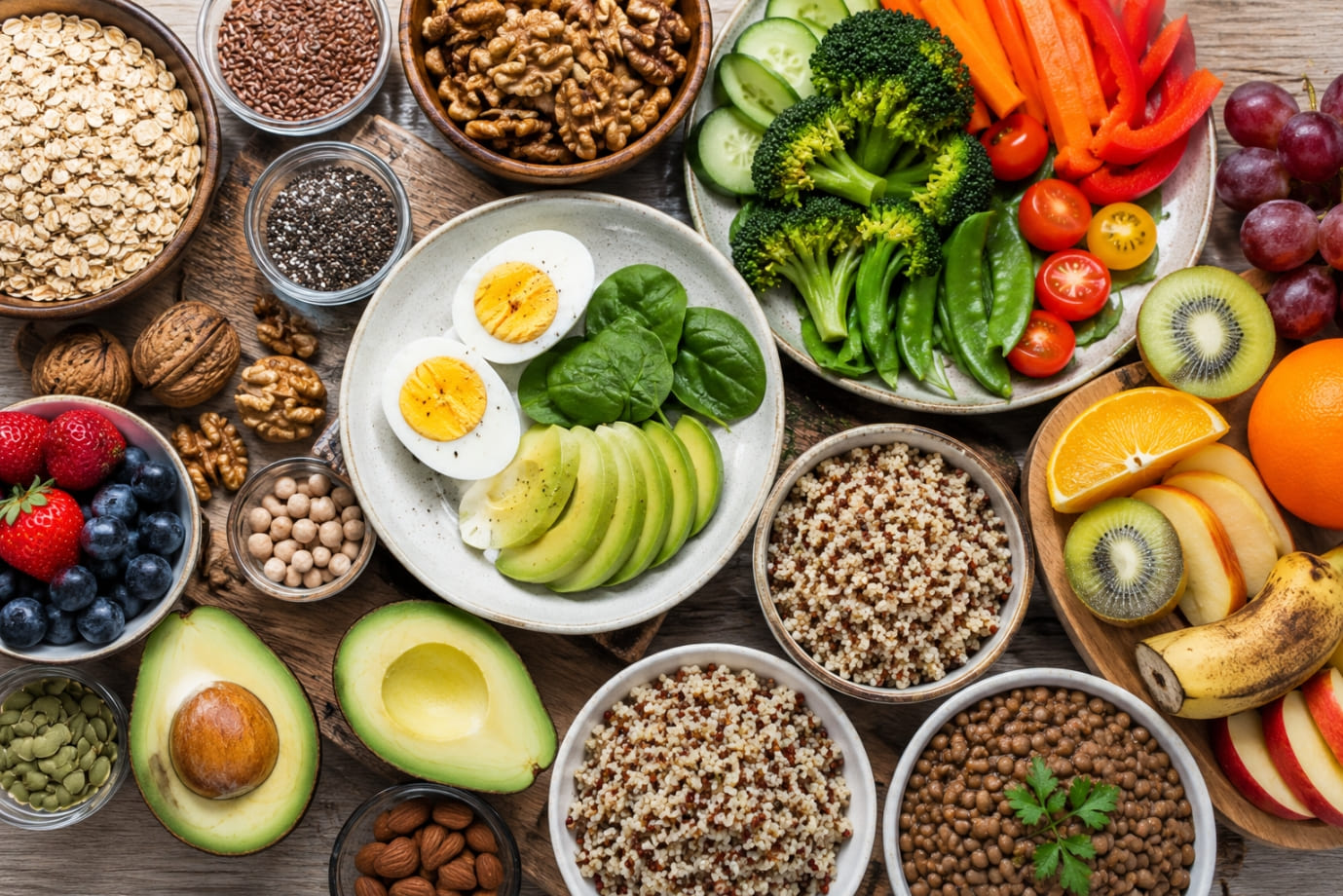
A practical pcos diet plan generally includes vegetables, lean proteins, whole grains, healthy fats, and low-sugar fruits. These foods provide important nutrients while helping maintain steady energy throughout the day.
Some beneficial food choices include:
- Leafy green vegetables, broccoli, cauliflower, and other non-starchy vegetables
- Eggs, fish, lean meat, tofu, beans, and lentils for protein
- Whole grains such as oats, quinoa, brown rice, and whole wheat options
- Nuts, seeds, olive oil, and avocado for healthy fats
- Berries, apples, and other low-glycemic fruits in controlled portions
Foods to Limit When Managing PCOS
Certain foods may worsen insulin resistance and inflammation when consumed frequently. This does not mean these foods must always be completely avoided, but reducing their intake can support better symptom management.
Highly processed foods, sugary drinks, sweets, white bread, refined flour products, and excessive fried foods can cause rapid blood sugar increases. Regular consumption of these foods may make weight management more challenging for some women with PCOS.
It is also important to avoid following extremely restrictive diets. Removing too many foods without proper planning may lead to nutrient deficiencies and make healthy eating difficult to maintain.
Sample PCOS Diet Plan for a Day
Creating a daily meal structure can make healthy eating easier. The following example provides a general idea of how meals can be balanced throughout the day. Individual requirements may vary depending on age, activity level, medical conditions, and personal goals.
| Meal Time | Healthy Food Options |
|---|---|
| Morning | Warm water followed by eggs, oats with nuts, or vegetable-based breakfast |
| Mid-Morning Snack | A fruit with nuts, seeds, or Greek yogurt |
| Lunch | Protein source with vegetables, salad, and whole grains such as brown rice or quinoa |
| Evening Snack | Roasted chickpeas, nuts, or herbal tea with a healthy snack |
| Dinner | Light balanced meal with vegetables, protein, and healthy carbohydrates |
Lifestyle Habits That Improve PCOS Results
Diet alone may not provide complete results. PCOS management usually requires a combination of nutrition, movement, sleep quality, and stress management. Hormones are influenced by multiple factors, and improving daily habits can support better outcomes.
Regular exercise can improve insulin sensitivity and help regulate hormones. Activities such as strength training, walking, yoga, cycling, and moderate cardio can be beneficial. Strength training is especially useful because building muscle can help the body use glucose more effectively.
Sleep is another important factor that is often overlooked. Poor sleep can affect hunger hormones, increase cravings, and contribute to stress. Maintaining a consistent sleep schedule and practicing relaxation techniques can support overall hormonal health.
Common Mistakes Women Make While Following a PCOS Diet
Choosing Extreme Weight Loss Diets
Many women with PCOS try very low-calorie diets because they want fast results. However, extreme restrictions can slow metabolism, increase cravings, and become difficult to maintain. A balanced approach with adequate nutrition usually provides more sustainable benefits.
Focusing Only on Weight Loss
Although weight management can improve PCOS symptoms for many women, PCOS is not only a weight-related condition. Women with a healthy body weight can also experience PCOS symptoms. The focus should be on improving metabolic health, hormone balance, and overall wellness.
Ignoring Individual Food Responses
Every body responds differently to foods. Some women may feel better with moderate carbohydrate intake, while others may benefit from specific adjustments based on their symptoms and lifestyle. Tracking energy levels, cravings, and symptoms can help identify what works best.
How to Make a PCOS Diet Plan Easier to Follow
Long-term success depends on creating realistic habits rather than following temporary changes. Meal preparation, planning grocery shopping, and keeping healthy snacks available can reduce dependence on processed foods.
A helpful approach is to make gradual improvements. For example, replacing sugary drinks with water, adding more vegetables to meals, increasing protein intake, and choosing whole grains can create meaningful changes over time.
The best pcos diet plan is one that fits your lifestyle, food preferences, cultural eating habits, and health goals. Consistency is more important than perfection.
Frequently Asked Questions About PCOS Diet Plan
Can diet completely cure PCOS?
Diet cannot completely cure PCOS because it is a complex hormonal condition influenced by genetics, hormones, and lifestyle factors. However, a healthy diet can significantly improve symptoms, support hormone regulation, and reduce complications associated with PCOS.
Which foods are best for women with PCOS?
Foods rich in protein, fiber, antioxidants, and healthy fats are generally beneficial for women with PCOS. Vegetables, lean proteins, whole grains, nuts, seeds, and low-glycemic fruits can support better blood sugar control and overall health.
Should women with PCOS completely avoid carbohydrates?
No, carbohydrates do not need to be completely eliminated. The quality and quantity of carbohydrates matter more. Choosing complex carbohydrates with fiber, such as oats, quinoa, and vegetables, is usually a better option than refined carbohydrates.
How long does it take to see results from a PCOS diet?
The timeline varies from person to person. Some women may notice improvements in energy levels and cravings within weeks, while changes in menstrual cycles, weight, or other symptoms may take several months with consistent lifestyle changes.
Is weight loss necessary for improving PCOS symptoms?
Weight loss can help many women improve insulin resistance and hormone-related symptoms, but it is not the only solution. Women at different body weights can experience PCOS, and improving nutrition, exercise habits, and metabolic health are equally important.
Can a PCOS diet help with fertility?
A nutritious diet may support fertility by improving insulin sensitivity, reducing inflammation, and promoting healthier hormone patterns. However, fertility challenges related to PCOS may require additional medical support depending on individual circumstances.
Conclusion
Managing PCOS requires a balanced and consistent approach rather than quick fixes. Nutrition plays an important role in supporting hormone balance, improving insulin sensitivity, maintaining healthy weight, and reducing inflammation. A carefully designed pcos diet plan can become a powerful tool when combined with regular exercise, proper sleep, and healthy lifestyle habits.
Read More:- How to Diagnose PCOS: Symptoms, Tests & Treatment Guide