

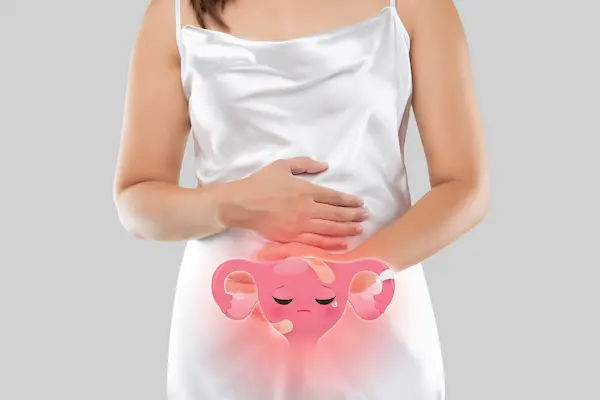
Vaginal discharge is a normal part of the menstrual cycle and can change in color, texture, and amount depending on hormonal changes. Many people notice changes in discharge before their expected period and may wonder if it indicates an upcoming menstrual cycle or early pregnancy. Understanding the difference between discharge before period vs early pregnancy can help you recognize what your body may be experiencing.
Both situations can cause similar symptoms because hormones, especially progesterone and estrogen, influence vaginal discharge throughout the cycle. However, there are some differences in discharge patterns, timing, and accompanying signs that may provide clues. While discharge changes alone cannot confirm pregnancy, they can be one of the early signs that encourage someone to take a pregnancy test.
What Is Normal Discharge Before a Period?
Before a period begins, vaginal discharge often changes because hormone levels shift during the luteal phase of the menstrual cycle. After ovulation, progesterone levels increase, which can make discharge thicker, creamier, or slightly sticky. Many people experience white or cloudy discharge a few days before menstruation starts.
This type of discharge is usually normal if there is no unpleasant odor, itching, burning, or irritation. Some individuals may notice less discharge right before their period, while others may experience an increase. These changes are a natural response to hormonal fluctuations and do not necessarily indicate pregnancy.
When comparing discharge before period vs early pregnancy, pre-period discharge is often associated with typical menstrual cycle changes. It usually appears shortly before bleeding begins and may disappear once menstruation starts. However, because early pregnancy can also cause increased discharge, looking at other symptoms is important.
How Does Early Pregnancy Discharge Look?
During early pregnancy, hormonal changes increase blood flow to the pelvic area and stimulate the vaginal glands. This can lead to a higher amount of discharge, commonly known as leukorrhea. Early pregnancy discharge is usually thin, milky white, or creamy and has a mild smell or no noticeable odor.
The main reason for increased discharge during pregnancy is the body’s natural way of protecting the uterus from infections. The discharge helps maintain a healthy vaginal environment and creates a protective barrier for the developing pregnancy.
In the discussion of discharge before period vs early pregnancy, pregnancy-related discharge is often more noticeable and may continue after the missed period. However, every person’s body responds differently, and discharge alone should not be considered a definite pregnancy indicator.
Main Differences Between Period Discharge and Pregnancy Discharge
Although discharge before a period and early pregnancy discharge can look similar, some differences may help identify possible causes. Before a period, discharge often becomes thicker due to rising progesterone and usually occurs with symptoms like cramps, mood changes, breast tenderness, or bloating.
Early pregnancy discharge may continue for a longer time and is often accompanied by other early pregnancy signs. These may include a missed period, nausea, increased urination, tiredness, breast sensitivity, and mild pelvic discomfort.
The comparison of discharge before period vs early pregnancy can be confusing because both involve hormonal changes. The timing of discharge, whether a period arrives, and the presence of additional symptoms provide better clues than discharge appearance alone.
Common Causes of Discharge Before a Period
Several normal factors can affect vaginal discharge before menstruation. Hormonal changes are the most common reason, but lifestyle factors and health conditions can also influence discharge patterns.
Some common causes include:
- Normal changes during the menstrual cycle
- Ovulation-related hormone shifts
- Increased stress levels
- Changes in birth control methods
- Sexual activity
- Normal vaginal moisture regulation
Before a period, discharge may become thicker, white, or slightly yellowish when it dries on underwear. If there is no strong smell or discomfort, it is usually considered normal.
Early Pregnancy Symptoms Along With Discharge
Discharge changes may happen during early pregnancy, but they usually occur along with other symptoms. Recognizing these additional signs can make it easier to understand whether pregnancy is possible.
Common early pregnancy symptoms include:
- Missed or delayed period
- Nausea or morning sickness
- Feeling unusually tired
- Increased sensitivity in breasts
- Frequent urination
- Mild abdominal cramps
- Food cravings or dislikes
- Light spotting
When looking at discharge before period vs early pregnancy, the presence of multiple pregnancy symptoms along with unusual discharge may suggest taking a pregnancy test for confirmation.
Can Discharge Before a Period Mean Pregnancy?
Many people wonder whether discharge before a period can indicate pregnancy. Increased creamy or white discharge may happen after conception because of rising pregnancy hormones. However, similar discharge can also occur naturally before menstruation.
The only reliable way to confirm pregnancy is through a pregnancy test after a missed period or at the recommended testing time. A home pregnancy test detects human chorionic gonadotropin (hCG), a hormone produced after implantation occurs.
Therefore, while discharge may provide a possible clue, it cannot confirm pregnancy by itself. The differences between discharge before period vs early pregnancy become clearer when combined with timing, symptoms, and test results.
When Should You Take a Pregnancy Test?
If you notice changes in discharge and suspect pregnancy, waiting until after your missed period can improve the accuracy of a home pregnancy test. Testing too early may result in a negative result because hCG levels may not yet be high enough to detect.
For the most accurate result:
- Take the test after your missed period
- Use the first urine of the morning
- Follow the instructions carefully
- Repeat the test if the result is unclear
If pregnancy symptoms continue despite a negative test, consulting a healthcare professional can help determine the cause.
When Discharge May Need Medical Attention
Normal discharge is usually clear, white, or milky and does not cause discomfort. However, certain changes may indicate an infection or another health concern.
Seek medical advice if discharge includes:
- Strong or unpleasant odor
- Green, gray, or unusual coloring
- Severe itching or irritation
- Burning sensation while urinating
- Pelvic pain
- Unusual bleeding
These symptoms are not typical signs of normal pre-period changes or early pregnancy and should be evaluated by a healthcare provider.
Factors That Can Make Symptoms Confusing
The body’s hormonal patterns can create symptoms that feel similar during different stages of the menstrual cycle. Premenstrual syndrome (PMS) and early pregnancy share many symptoms, including breast tenderness, fatigue, mood changes, and cramps.
Because of this overlap, many people find it difficult to distinguish discharge before period vs early pregnancy based only on physical signs. Tracking your menstrual cycle, noting discharge patterns, and monitoring changes over time can help you better understand your body.
How to Track Discharge and Cycle Changes
Keeping a record of your menstrual cycle can make it easier to notice patterns. You can track:
- Date of your last period
- Expected period date
- Discharge color and texture
- Symptoms you experience
- Pregnancy test results
Cycle tracking can help identify what is normal for your body and make unusual changes easier to recognize.
Conclusion
Understanding discharge before period vs early pregnancy can help you recognize the differences between normal menstrual changes and possible early pregnancy signs. While both situations can cause white or creamy discharge due to hormonal changes, pregnancy discharge often continues after a missed period and may appear with other pregnancy symptoms.
However, vaginal discharge alone cannot confirm pregnancy. The most accurate way to know whether you are pregnant is by taking a pregnancy test at the appropriate time. If discharge changes are accompanied by pain, irritation, unusual color, or a strong odor, medical advice should be considered. Paying attention to your body’s patterns and tracking changes can help you better understand your reproductive health.
Read More:-Can You Get a False Positive Pregnancy Test? Causes & Facts