
A pregnancy test is designed to detect the hormone human chorionic gonadotropin (hCG), which is produced after a fertilized egg attaches to the uterus. Many people rely on home pregnancy tests for quick answers when they miss a period or notice early pregnancy symptoms. However, sometimes the result may not match the actual situation. This leads many people to ask, can you get a false positive pregnancy test? The answer is yes, although it is not very common. A false positive result means the test shows that you are pregnant even when you are not currently carrying a pregnancy.
Understanding why false positive results happen can help reduce confusion and anxiety. Several factors, including medications, health conditions, recent pregnancy loss, or incorrect test use, can influence pregnancy test results. While modern tests are highly accurate when used correctly, no test is completely free from errors. Learning about the possible causes can help you take the right steps after receiving an unexpected positive result.
How Pregnancy Tests Work
Home pregnancy tests work by identifying the presence of hCG in urine. This hormone usually begins increasing after implantation, when a fertilized egg attaches to the lining of the uterus. As pregnancy progresses, hCG levels typically rise, making it easier for tests to detect pregnancy.
Most home pregnancy tests claim high accuracy when used after a missed period and according to instructions. However, the timing of testing, the quality of the test, and individual health factors can affect results. A positive result usually indicates pregnancy, but in some situations, the detected hCG may come from another source. This is why people often wonder, can you get a false positive pregnancy test even when the result appears clear.
A pregnancy test reading should always be considered along with other factors, such as menstrual history, symptoms, and medical advice. If the result seems unusual or unexpected, repeating the test or consulting a healthcare provider can provide better confirmation.
Common Causes of a False Positive Pregnancy Test
There are several reasons why a pregnancy test may show a positive result when there is no ongoing pregnancy. Some causes are temporary, while others may require medical evaluation.
Recent Pregnancy or Pregnancy Loss
One of the most common reasons for a false positive result is a recent pregnancy. After a miscarriage, abortion, or childbirth, hCG can remain in the body for several weeks. Even though the pregnancy has ended, the hormone may still be detected by a home pregnancy test.
During this time, taking a pregnancy test may produce a positive result because the body has not completely removed the remaining hCG. This is one reason why someone may ask, can you get a false positive pregnancy test after experiencing a recent pregnancy-related event. Doctors may recommend waiting for hCG levels to return to normal before testing again.
Testing Too Soon After Fertility Treatments
Some fertility treatments involve medications that contain hCG. These medications are used to help trigger ovulation and improve the chances of conception. If a person takes a pregnancy test shortly after receiving hCG medication, the test may detect the medication hormone rather than a naturally occurring pregnancy.
This situation can create a misleading positive result. People undergoing fertility treatments are usually advised to follow their doctor’s recommended testing schedule to avoid confusion.
Evaporation Lines on Pregnancy Tests
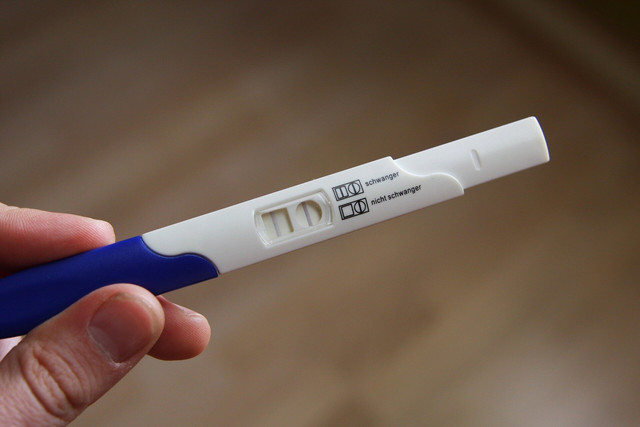
Sometimes, what appears to be a positive result may actually be an evaporation line. Pregnancy tests have a specific time window in which results should be read. If the test is checked too late, a faint colorless line may appear as urine dries on the test strip.
An evaporation line is different from a true positive line because it does not represent detected hCG. Reading the test instructions carefully and checking the result within the recommended time can help prevent misunderstanding.
Medical Conditions That May Affect Pregnancy Test Results
Certain health conditions can sometimes cause elevated hCG levels or interfere with pregnancy test results. Although these situations are uncommon, they are important to understand.
Some rare medical conditions, including certain ovarian problems or hormone-related disorders, may produce hCG or affect hormone balance. In very rare cases, specific tumors can release hCG, leading to a positive pregnancy test without pregnancy.
If someone receives repeated positive results but medical testing does not confirm pregnancy, a healthcare provider may investigate other possible causes. This is another situation where the question can you get a false positive pregnancy test becomes important because the result may require further evaluation.
Medications That Can Cause False Positive Results
Certain medications may influence pregnancy test results, especially those containing hCG. Fertility medications are the most well-known example, but other medications may also affect hormone levels indirectly.
Most common medicines, including antibiotics, pain relievers, and birth control pills, do not cause false positive pregnancy tests. Many people worry that everyday medications can change results, but this is generally not true.
If you are taking prescription medications and receive an unexpected positive test, it is helpful to discuss your situation with a healthcare professional. They can determine whether your medication history could play a role.
User Error and Incorrect Testing Methods
Sometimes, false positive results happen because of mistakes while taking or interpreting the test. Pregnancy tests must be used carefully to get reliable results.
Common testing mistakes include:
- Checking the test result after the recommended time limit
- Using an expired pregnancy test
- Following incorrect instructions
- Using a damaged test kit
- Misreading faint lines
Proper storage and correct usage can improve accuracy. If you are unsure about the result, taking another test with a fresh kit can provide additional information.
Can Stress or Hormonal Changes Cause a False Positive?
Stress, lifestyle changes, and emotional factors can affect menstrual cycles, but they generally do not create a false positive pregnancy test. A positive pregnancy test occurs because hCG is detected, and stress alone does not produce this hormone.
However, stress can delay periods, making someone more likely to take a pregnancy test unexpectedly. If the test result is unclear, additional testing may help determine the actual cause.
Hormonal changes from certain medical conditions can sometimes influence results, but ordinary emotional stress is not considered a direct cause of a positive pregnancy test.
What To Do After a Positive Pregnancy Test
Receiving a positive pregnancy test can bring excitement, surprise, or concern depending on the situation. The next step is usually to confirm the result and understand what is happening in your body.
You can consider the following steps:
- Repeat the test after a few days using another kit
- Schedule an appointment with a healthcare provider
- Request a blood test to measure hCG levels
- Discuss any symptoms or recent medical history
A blood pregnancy test can provide more detailed information because it measures the exact amount of hCG in the body. In some cases, healthcare providers may recommend an ultrasound to confirm the pregnancy location and development.
How Accurate Are Home Pregnancy Tests?
Modern home pregnancy tests are highly accurate when used correctly, especially after a missed period. However, accuracy depends on factors such as testing time, urine concentration, and proper usage.
Testing too early may create unclear results because hCG levels may not yet be high enough for reliable detection. Following the instructions carefully and waiting until the appropriate time can reduce the chance of incorrect results.
Although uncommon, the possibility of can you get a false positive pregnancy test should be considered when the result does not match your situation or medical expectations.
When Should You Contact a Doctor?
You should consider speaking with a healthcare professional if:
- You receive multiple positive tests but pregnancy is not confirmed
- You recently experienced a miscarriage or pregnancy loss
- You have unusual pain or bleeding
- Your test results are confusing or inconsistent
- You have medical conditions affecting hormones
Medical guidance can help identify whether the result represents an early pregnancy or another cause of increased hCG levels.
Conclusion
Many people wonder, can you get a false positive pregnancy test, and the answer is yes, although it is relatively uncommon. False positive results can occur due to leftover pregnancy hormones, fertility treatments, medical conditions, testing mistakes, or certain unusual situations.
A positive pregnancy test is often a reliable indication of pregnancy, but unexpected results should be confirmed through repeat testing or professional medical advice. Understanding the possible causes can help you make informed decisions and avoid unnecessary worry. When used correctly and combined with medical confirmation when needed, pregnancy tests remain a valuable tool for detecting pregnancy.
Read More:-Round Ligament Pain Pregnancy: Causes and Relief Tips