
Lower back pain that worsens while walking and improves when sitting or bending forward can be a sign of lumbar spinal stenosis. This condition develops when the spinal canal in the lower back gradually narrows, placing pressure on nearby nerves. It is a common issue, especially among adults over forty, and can significantly affect mobility if left untreated.
The encouraging part is that surgery is not always required. With the right approach, Lumbar Spinal Stenosis Treatment can reduce nerve compression, relieve discomfort, and restore natural movement through safe and non-invasive care.
What is Lumbar Spinal Stenosis?
The lumbar spine supports body weight and plays a key role in daily movements such as walking, bending, and standing. Over time, structural changes in this region can lead to narrowing of the spinal canal, which compresses the nerves passing through it.
This narrowing is often caused by:
- Age-related disc degeneration and reduced disc height
- Bone overgrowth due to arthritis or joint wear
- Bulging or herniated discs pressing into the spinal canal
- Thickened ligaments that reduce the available space for nerves
- Previous spinal injuries or long-term poor posture
These changes develop gradually, making early diagnosis and proper Lumbar Spinal Stenosis Treatment essential.
Symptoms That Should Not Be Ignored
Symptoms of lumbar spinal stenosis often progress slowly and may initially be mistaken for general fatigue or ageing. However, recognising the signs early can lead to better treatment outcomes.
You may need professional care if you experience:
- Persistent lower back stiffness or aching pain
- Tingling, numbness, or burning sensations in the legs or buttocks
- Weakness or heaviness in the legs while walking
- Pain relief when sitting or leaning forward
- Difficulty standing or walking for extended periods
Without timely care, nerve compression can worsen and affect daily mobility.
Non-Surgical Lumbar Spinal Stenosis Treatment
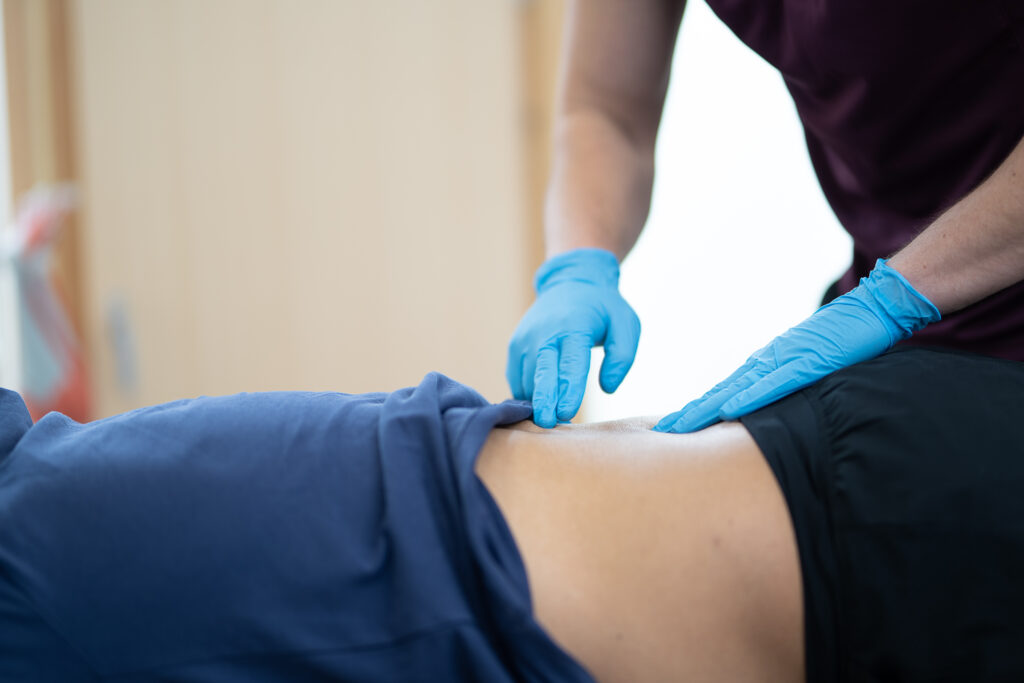
Modern spinal care focuses on non-invasive methods that address the root cause of nerve compression. One effective option is Non-Surgical Spinal Decompression Treatment.
This advanced, computer-guided treatment gently stretches the spine to create space between compressed vertebrae. As pressure on the nerves reduces, circulation improves, and the body begins to heal naturally.
Benefits of non-surgical treatment include:
- Reduced nerve pressure and inflammation
- Improved spinal alignment and flexibility
- Enhanced disc hydration and recovery
- Relief from pain without surgery or medication dependency
- Gradual and long-lasting improvement in mobility
This approach is safe, comfortable, and suitable for many patients seeking long-term relief.
Personalised Care at ANSSI Wellness
At ANSSI Wellness, every Lumbar Spinal Stenosis Treatment plan is tailored to the individual. A detailed assessment helps identify the underlying cause and severity of the condition.
Treatment programs may include spinal decompression treatment, posture correction, physiotherapy, and lifestyle guidance. This comprehensive approach ensures effective recovery while preventing recurrence.
Daily Habits to Support Recovery
In addition to professional care, adopting healthy habits can help maintain spinal health and reduce future discomfort.
Helpful practices include:
- Maintaining proper posture while sitting and standing
- Taking short walks to improve circulation
- Avoiding heavy lifting and sudden movements
- Performing guided core-strengthening exercises
- Using ergonomic seating and lumbar support
These habits support long-term recovery and protect the spine.
Take the First Step Toward a Pain-Free Life
Lumbar spinal stenosis can limit your mobility, but it does not have to control your life. With timely Lumbar Spinal Stenosis Treatment, it is possible to reduce pain, improve movement, and regain independence.
At ANSSI Wellness, expert non-surgical care helps you recover safely and return to a more active, comfortable lifestyle.