


What are lower abs workout exercises?
A lower abs workout targets the lower abdominal muscles to improve core strength and stability.
Best lower abs workout
Leg raises, reverse crunches, and flutter kicks are among the best exercises for lower abs.
How to choose lower abs workout exercises?
Select exercises based on your fitness level, goals, and ability to maintain proper form.
Introduction
Many people spend months doing countless crunches but still struggle to see definition in the lower part of their abdomen. This common challenge often leads to frustration because the lower abdominal area is typically one of the most difficult regions to strengthen and reveal. While spot reduction is a myth, targeted exercises can help develop stronger abdominal muscles and improve overall core performance.
The lower abdominal muscles play a crucial role in daily movement, athletic performance, posture, and spinal support. Whether you are lifting groceries, running, jumping, or simply maintaining good posture while sitting at a desk, your core muscles are constantly working. Strengthening the lower abs can improve movement efficiency and reduce the risk of injury.
A well-structured training plan, combined with proper nutrition and consistent exercise, can help you build a stronger midsection. Understanding how lower abdominal training works allows you to maximize results while avoiding common mistakes that slow progress.
Quick Summary
- Lower abdominal training improves core strength, balance, and stability.
- Consistency and proper exercise technique are essential for visible results.
- Nutrition and overall body fat reduction significantly affect abdominal definition.
- Combining multiple core exercises delivers better long-term outcomes.
Understanding the Lower Abdominal Muscles
The abdominal region consists primarily of the rectus abdominis, transverse abdominis, internal obliques, and external obliques. Although the rectus abdominis is one muscle, certain movements place greater emphasis on the lower portion. Exercises that involve lifting the legs toward the torso typically increase activation in this area.
Research in sports science consistently shows that a strong core contributes to improved athletic performance and movement efficiency. Studies suggest that athletes with stronger core muscles often demonstrate better balance, coordination, and force transfer during physical activity. This makes lower abdominal training valuable not only for aesthetics but also for functional fitness.
Benefits of a Lower Abs Workout
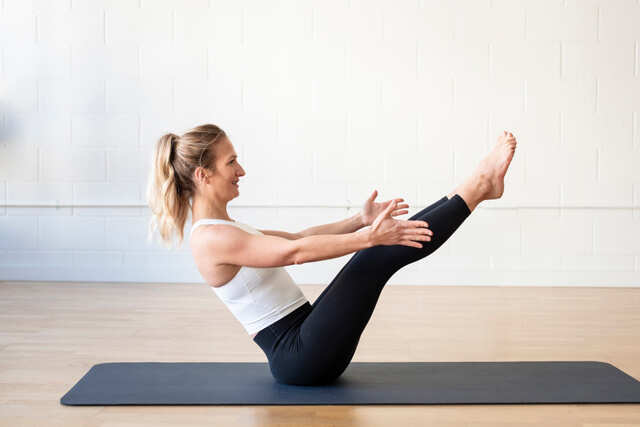
A properly designed lower abs workout provides benefits that extend far beyond appearance. One of the primary advantages is improved core stability. Strong lower abs help support the pelvis and lower back, reducing unnecessary strain during movement.
Additionally, lower abdominal exercises can enhance posture and body control. Many people experience lower back discomfort due to weak core muscles. Strengthening the abdominal region may help improve spinal alignment and support daily activities more effectively.
Some key benefits include:
- Better core stability
- Enhanced athletic performance
- Improved posture and balance
- Greater movement efficiency
- Reduced risk of lower back strain
Best Exercises for Lower Abdominal Development
The most effective exercises focus on controlled movements that engage the entire core while emphasizing the lower abdominal region.
Reverse Crunches
Reverse crunches are among the most effective exercises for activating the lower abdominal muscles. By lifting the hips toward the chest rather than lifting the shoulders, you place greater emphasis on the lower portion of the rectus abdominis.
Perform each repetition slowly and avoid using momentum. Controlled movement ensures the muscles perform the work rather than relying on swinging motion.
Leg Raises
Leg raises are a classic core-strengthening exercise. They challenge both abdominal strength and stability while improving hip control.
Beginners can bend their knees slightly to reduce difficulty, while advanced individuals can perform hanging leg raises for increased intensity.
Flutter Kicks
Flutter kicks involve alternating leg movements while maintaining tension in the abdominal muscles. This exercise also helps develop muscular endurance and coordination.
Keeping the lower back pressed against the floor is essential to maximize effectiveness and reduce strain.
Mountain Climbers
Mountain climbers combine cardiovascular conditioning with abdominal engagement. The exercise increases heart rate while challenging core stability.
Because it incorporates multiple muscle groups, mountain climbers are an excellent addition to any abdominal training routine.
Lower Abs Workout Routine for Different Fitness Levels
Choosing the right routine depends on experience and fitness capacity. The following table provides a simple comparison.
| Fitness Level | Exercises | Sets | Reps |
|---|---|---|---|
| Beginner | Reverse Crunches, Flutter Kicks | 3 | 12–15 |
| Intermediate | Leg Raises, Mountain Climbers, Reverse Crunches | 3–4 | 15–20 |
| Advanced | Hanging Leg Raises, V-Ups, Dragon Flags | 4–5 | 12–15 |
Progressive overload remains important even for abdominal training. Gradually increasing repetitions, resistance, or exercise complexity helps stimulate continued adaptation.
Real-Life Example of Core Transformation
Consider a recreational runner who struggled with lower back discomfort during long-distance training. Despite having a regular exercise routine, they neglected specific core strengthening exercises.
After incorporating a structured lower abs workout three times per week for twelve weeks, they reported improved posture, reduced back discomfort, and enhanced running efficiency. While individual results vary, this example highlights the practical benefits of targeted core training beyond aesthetics.
Nutrition and Body Fat Considerations
Many people mistakenly believe abdominal exercises alone will reveal visible abs. In reality, body fat percentage plays a significant role in abdominal definition.
Even the strongest abdominal muscles may remain hidden beneath excess body fat. A balanced diet rich in lean protein, vegetables, fruits, healthy fats, and complex carbohydrates supports fat loss and muscle maintenance.
Current fitness trends emphasize combining resistance training, cardiovascular exercise, and nutritional consistency for optimal body composition improvements. This holistic approach remains the most effective strategy for achieving visible abdominal definition.

Common Mistakes to Avoid
Many individuals unknowingly reduce the effectiveness of their training by making simple errors.
- Using momentum instead of muscle control
- Performing exercises too quickly
- Neglecting overall nutrition
- Training abs every day without recovery
- Ignoring proper breathing techniques
Correcting these mistakes can significantly improve exercise quality and long-term results.
Pros and Cons of Lower Ab Training
Pros
- Strengthens the entire core
- Improves balance and posture
- Supports athletic performance
- Requires minimal equipment
- Suitable for most fitness levels
Cons
- Results require consistency
- Visible abs depend on body fat levels
- Poor technique may strain the lower back
- Progress can be slower than expected
Expert Tips for Better Results
Fitness professionals often recommend the following strategies:
- Focus on quality repetitions rather than quantity.
- Maintain controlled movement throughout each exercise.
- Combine strength training with cardio sessions.
- Prioritize adequate recovery and sleep.
- Progress difficulty gradually over time.
Who Should Use This Training Method?
A lower abs workout is suitable for a wide range of individuals. Beginners can use these exercises to establish foundational core strength, while athletes can enhance performance through improved stability and force transfer.
Office workers who spend extended periods sitting may also benefit from stronger abdominal muscles and improved posture. Additionally, fitness enthusiasts seeking greater abdominal definition often incorporate lower abdominal exercises into their routines.
Regardless of age or fitness experience, most healthy individuals can benefit from targeted core strengthening when exercises are performed correctly and consistently.
Current Trends and Insights
Recent fitness industry data indicates that core training remains among the most popular exercise categories worldwide. Surveys from fitness organizations consistently rank functional training and bodyweight exercises among the top fitness trends.
Many trainers now emphasize integrated core training rather than excessive crunch-based routines. This approach focuses on stability, movement quality, and overall athletic function, making abdominal workouts more effective and practical for everyday life.

FAQs
Is a lower abs workout suitable for beginners?
Yes. Beginners can start with reverse crunches, bent-knee leg raises, and flutter kicks before progressing to more advanced movements.
Can lower abdominal exercises reduce back pain?
Strengthening the core may improve spinal support and posture, which can help reduce certain types of lower back discomfort.
Should I train abs every day?
Daily training is generally unnecessary. Most people achieve better results by allowing recovery between sessions.
What is the best time to train abs?
Abs can be trained before or after a workout, depending on personal preference and overall training goals.
Are lower abs harder to develop than upper abs?
Many individuals find lower abdominal definition more challenging because fat tends to accumulate in the lower abdominal region.
Summary Recap
Developing stronger lower abdominal muscles requires more than performing endless repetitions of a single exercise. Effective training combines reverse crunches, leg raises, mountain climbers, and other core-focused movements with proper nutrition, progressive overload, and recovery. Strong lower abs contribute to stability, posture, athletic performance, and overall functional fitness.
Conclusion
Building a stronger core is a long-term commitment, not a quick fix. The most effective lower abs workout plan combines smart exercise selection, consistent effort, balanced nutrition, and patience. Focus on improving strength and movement quality first, and visible results will follow over time. By staying consistent and avoiding common mistakes, you can develop a stronger, healthier, and more functional core that supports every aspect of your fitness journey.
Read More:-Best Upper Body Workout for Strength and Muscle Growth